What Are the Best Shoe Storage Ideas for 2026?

The best Shoe Storage Ideas for 2026 should solve a daily problem, not simply make a hallway look polished. Global footwear production reached about 22.4 billion pairs in 2023, according to the World Footwear Yearbook 2024, published by APICCAPS. That figure describes industry output, not how many shoes each household owns. Still, it highlights why practical storage matters: shoes need a place to land, dry, and stay accessible.

Home routines matter, too. IKEA’s 2023 Life at Home Report drew on responses from more than 37,000 people across 38 countries, exploring how people experience their homes. It offers useful context, though it does not compare shoe-storage products. Professional organizer Marie Kondo writes, “The question of what you want to own is actually the question of how you want to live your life.” Applied to shoes, that means choosing storage around real habits: muddy boots by the door, everyday sneakers within reach, and special-occasion pairs protected from dust.

Small spaces expose bad systems quickly. A deep basket may hide shoes; a narrow rack may block a door. And attractive storage can still fail if it is awkward to use. This guide compares entryway benches, vertical racks, clear boxes, over-door organizers, and built-in options by footprint, access, ventilation, and cost. The right choice depends on the home, the collection, and the people using it. There is no perfect system—only one you can keep using.
What Are the Best Shoe Storage Ideas for 2026?

Assess Your Shoe Collection, Storage Needs, and Available Space

Before choosing a shoe rack or cabinet, take a quick inventory. Count everyday pairs, seasonal shoes, and special-occasion footwear. Separate muddy boots from clean indoor shoes. This small step prevents buying storage that fits the room but not the collection.

Measure the available area, including door swings and walking paths. A deep cabinet may hold more shoes, yet block a hallway when opened. Check vertical space, too: a tall shelf can work in a closet, while low storage may suit an entry bench. For narrow spaces, measure shoe length and shelf depth carefully. Bulky trainers and winter boots need more room than flats. Leave a little breathing space.

Think about how often each pair is worn. Keep daily shoes near the entrance, and place rarely used pairs higher or farther back. Open shelves make shoes easy to spot, but they also show dust and clutter. Closed storage looks calmer, though damp shoes need time to dry before being put away. It is easy to assume every pair deserves a convenient spot. In practice, that can crowd the entryway. Be honest about what you reach for, then choose storage that fits both your habits and your actual floor space.

Compare Shoe Storage Options for Different Homes and Budgets

An open shoe rack is often the lowest-cost choice for a small apartment. A slim, two-tier design can fit beside a door without blocking the walkway. It keeps everyday shoes visible and lets damp pairs air out. Leave a little space below the rack for grit and easy sweeping. That detail matters.

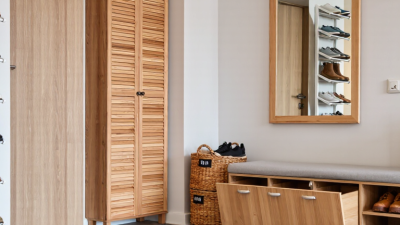
In a family home, a bench with cubbies can make busy mornings easier. Children can sit to put on shoes, while each person gets a designated space. Measure boots and larger shoes before buying; some cubbies are surprisingly short. A closed cabinet suits a tidier entry, but shoes need to be dry before storage. Otherwise, trapped moisture can create unpleasant odors.

For renters or tight budgets, stackable shelves and sturdy fabric organizers are flexible options. They are easy to move, though fabric may sag under heavy footwear. A custom built-in can use awkward corners well, but its cost may be hard to justify in a temporary home. I would compare the price with the number of pairs actually used each week, not the whole collection. A neat-looking solution is not always the most convenient one.

Choose Space-Saving Ideas for Entryways, Closets, and Small Rooms

What Are the Best Shoe Storage Ideas for 2026?
Choose Space-Saving Ideas for Entryways, Closets, and Small Rooms

In a narrow entryway, a slim shoe rack can keep everyday pairs off the floor without blocking the door. Measure the available depth before buying or building; even a few extra inches can make a walkway feel cramped. A shallow bench with space beneath it can hold shoes and provide a spot to sit. Add a washable tray for damp soles. It helps, though it can collect grit and needs regular cleaning.

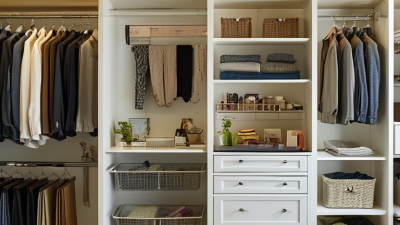
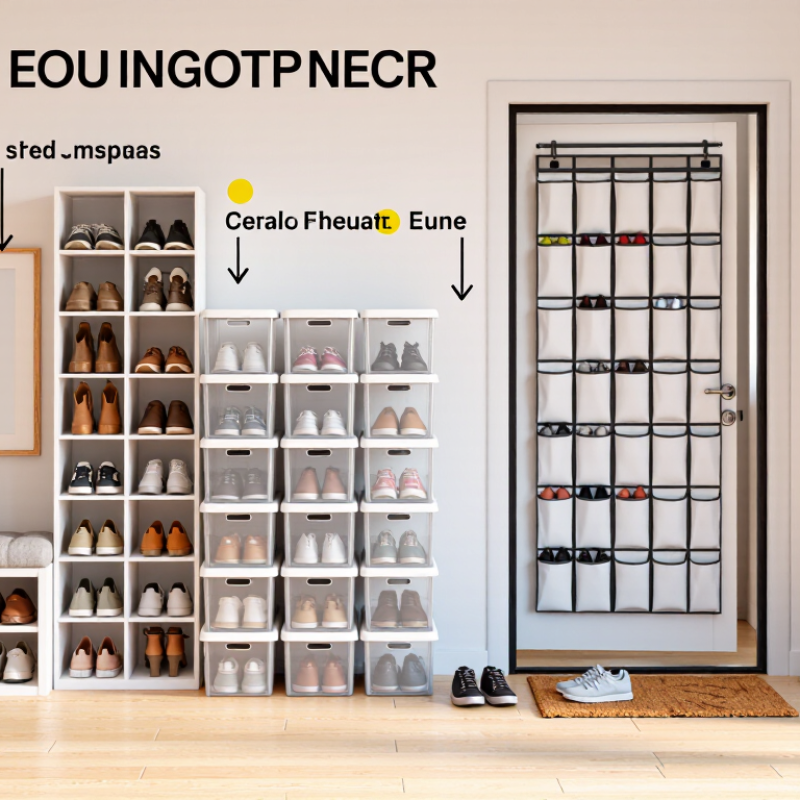
Closets benefit from vertical storage. Stackable shelves or a narrow tiered rack use height instead of valuable floor space. In a small room, an over-the-door organizer can free up a corner, provided the door still closes easily. Leave some airflow around shoes, especially after rainy commutes. Closed boxes look neat, but they may hide pairs you wear often. That trade-off is easy to overlook.

Tips: Keep the most-used shoes within reach, and store occasional pairs higher up. Measure door clearance and shelf height first. Try one small change before reorganizing the whole closet; the perfect setup may take a little adjustment.

What Are the Best Shoe Storage Ideas for 2026? Choose Space-Saving Ideas for Entryways, Closets, and Small Rooms

Typical capacities and dimensions are estimates for adult shoes and vary by shoe size, style, and product design. Measure your available space before choosing a solution.

Storage Idea Typical Capacity Approximate Space Needed Best Location Space-Saving Benefits Planning Tip
Slim tilt-out shoe cabinet About 8–16 pairs 24–32 in. wide × 7–12 in. deep Narrow entryways, hallways, or beside a closet Stores shoes vertically behind shallow doors, keeping the floor and footwear out of sight. Check the cabinet’s interior height and door clearance; bulky boots may not fit.
Over-the-door shoe organizer About 12–24 pairs Uses the back of a door; typically projects 4–8 in. Bedroom, closet, or pantry door Uses otherwise unused vertical space and requires no floor footprint. Confirm the organizer fits the door and leaves enough clearance to close it.
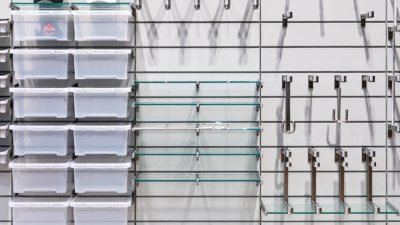
Stackable clear shoe boxes About 6–12 pairs per compact stack Each box is commonly about 13–14 in. long × 8–10 in. wide Closet shelves, wardrobe corners, or under a desk Stackable containers make vertical use of shelf space and keep pairs easy to identify. Choose ventilated boxes where possible, and allow extra height for high-tops.
Two-tier shoe rack About 8–12 pairs 24–32 in. wide × 10–14 in. deep Entryway, closet floor, or mudroom Provides open, everyday access while using a small, simple footprint. Measure the width of the shoes you use most; large footwear may reduce capacity.
Storage bench with shoe cubbies About 4–10 pairs 30–40 in. wide × 14–18 in. deep Entryway or bedroom Combines seating and shoe storage, making it useful where separate furniture would take up more room. Check the seat height and cubby dimensions, especially if storing boots or larger shoes.
Under-bed shoe organizer About 6–12 pairs Usually 24–36 in. long × 18–30 in. wide; requires bed clearance Bedroom with open space beneath the bed Uses hidden floor area and keeps less frequently worn shoes out of sight. Measure from the floor to the bed frame; low-clearance beds may only fit slim shoes.
Vertical hanging closet organizer About 8–16 pairs Typically 10–14 in. wide × 12–16 in. deep; hangs from a closet rod Closets and small bedrooms Uses vertical closet space without adding a floor-standing unit. Check the rod’s available hanging height and leave room for coats or clothing.

Organize Shoes to Improve Access, Protection, and Everyday Care

A useful shoe-storage setup starts where shoes are actually worn, not where a catalog says they belong. Keep everyday pairs near the door on an open, low rack or a shallow bench with a washable tray. Open shelves make shoes easy to spot and allow airflow; leave a little space between pairs instead of stacking them. In a narrow entry, vertical shelves save floor space, though the highest spots can be awkward when you are carrying bags. Keep favorite pairs within easy reach. Small change, big difference.

Store seasonal or delicate shoes on higher shelves, inside breathable fabric bags, or in boxes with simple labels. Avoid sealing shoes away while they are damp; let them dry first. A soft brush and a quick wipe can remove grit before it settles into seams. Rotate pairs so one set is not worn every day, and check soles and fastenings as you put shoes away. Even a tidy rack gets crowded during busy weeks, so leave one open space for the pair you wore today. That small gap is easy to overlook, but it helps keep the entry usable.

Explore 2026 Shoe Storage Trends, Materials, and Smart Features

In 2026, shoe storage is shifting toward flexible pieces that fit real entryways, not just staged rooms. Narrow modular cabinets can use vertical space beside a door, while open benches keep everyday pairs easy to reach. Measure your tallest boots and the door swing before buying; a cabinet that blocks either quickly becomes annoying. Small details matter. A shallow tray catches grit, and adjustable shelves accommodate changing footwear through the year.

Material choices now balance appearance with airflow and durability. Powder-coated steel resists scuffs in busy halls, while bamboo and other responsibly sourced woods bring warmth. Recycled-plastic bins are light and easy to wipe, but some feel flimsy under heavier shoes. Look for smooth edges, stable joints, and ventilation gaps. Closed doors hide visual clutter, yet they can trap dampness if wet shoes go straight inside. Let footwear dry first. That step is easy to forget.

Smart features are becoming more practical than flashy. Motion-activated interior lights help locate shoes in a dim closet, and simple sensors can flag unusually high humidity. These tools are useful, not essential; a basic vented cabinet may work better than a complicated system that needs frequent charging. Consider removable shelves and replaceable parts, too. A sleek design can still be awkward, and smart features cannot fix poor sizing. Test access with your largest pair in mind.

Best Shoe Storage Ideas for 2026: Estimated Capacity by Storage Type

Compare practical storage formats by the approximate number of pairs in one example setup.

These are planning estimates, not market averages: the examples assume 3 pairs per rack or cabinet shelf, 4 pairs per under-bed bin row, 1 pair per organizer pocket, and 1 pair per modular box. Check each unit’s dimensions and your shoe sizes before buying. Materials such as wood, metal, and plastic affect durability and upkeep; lighting or inventory features can improve access but do not add physical capacity.