Top 10 Tips for Decluttering Your Home Efficiently?
Decluttering Your Home is essential for creating a peaceful and organized living space. According to a Forbes report, 54% of Americans feel overwhelmed by their clutter. This statistic illustrates the emotional burden that excess possessions can cause, leading to stress and reduced productivity. A clean environment isn’t just visually appealing; it also boosts mental well-being.
Research by the National Association of Professional Organizers reveals that a clutter-free home can improve focus and clarity. Reducing clutter can enhance your daily life and foster a sense of control. Yet, the process often feels daunting, with many people unsure where to start. The challenge lies in making tough decisions about what to keep and what to let go of.
It’s important to reflect on the items that occupy valuable space in your home. Every item tells a story, and parting with them can evoke a range of emotions. Adopting a strategy for decluttering is vital. The goal is to create a functional, enjoyable space, even if the journey toward that goal isn't always perfect.
Understanding the Importance of Decluttering Your Home
Decluttering your home is more than just tidying up. It's a significant step toward mental clarity and emotional well-being. According to a study by the National Association of Professional Organizers, an overwhelming 82% of people feel more relaxed in an organized space. This statistic highlights the psychological benefits of maintaining a clutter-free environment.
Emotional benefits extend beyond relaxation. A cluttered home can lead to increased anxiety and stress. Research from the Princeton University Neuroscience Institute reveals that physical clutter can overload your brain’s ability to process information. This can hinder decision-making and reduce productivity. Additionally, 23% of people reported feeling ashamed about their clutter, which can affect social interactions.
Taking control of your space can lead to positive lifestyle changes. For instance, a survey from UCLA found that women who described their homes as cluttered were more likely to experience depressive symptoms. Creating an intentional environment not only fosters positivity but also encourages a proactive mindset. While the journey to declutter can feel daunting, breaking tasks into manageable steps can lead to lasting change.
Establishing a Decluttering Plan and Schedule
Creating a decluttering plan is essential for success. Start by setting clear goals. Ask yourself what spaces need the most attention. Break this down into manageable tasks. Don't forget to allocate specific time for each task. This will help you stay focused and energized.
Establish a schedule that works for you. Consider your daily routine. It may be tempting to rush through the process, but slow and steady often wins. Aim to declutter a little bit each day. You might find that designating weekends or specific evenings helps you stay on track.
Adjust your plan if things aren’t working. It’s okay to rethink your approach as you go. If a space feels overwhelming, pause and reassess. Remember to celebrate small victories. Each box you fill is a step toward a more organized home. Your journey to decluttering doesn't have to be perfect; it's about progress.
Sorting Items: Keep, Donate, and Discard Decisions
Decluttering your home can feel overwhelming. However, focusing on sorting items into three categories—keep, donate, and discard—can make the process manageable. According to a study by the National Association of Professional Organizers, 82% of people feel overwhelmed by clutter. The key is to make clear decisions about what to keep. Assess each item. Does it serve a purpose or bring joy? If not, it might belong in the donate or discard pile.
When it comes to donations, be strategic. Local charities often prefer items in good condition but may not accept everything. Research shows that nearly 70% of donated items end up discarded. This statistic highlights the importance of thoughtful sorting. Discarding broken or unusable items is equally vital. An estimated 25% of trash consists of reusable items. This figure indicates how much waste can be minimized with proper decluttering practices.
While the sorting process might unveil emotional attachments to belongings, it's a chance to reflect. Ask yourself if holding onto certain items adds value to your life. A clutter-free space can enhance your mental well-being. Create a timeline for each area of your home. This approach can motivate you, making decluttering a less daunting task. Balancing sentimentality with practicality is essential for achieving a more organized living space.
Effective Organizing Techniques for Each Room
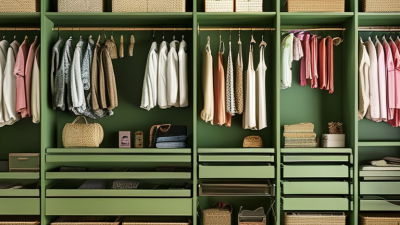
Decluttering your home can be a daunting task, especially room by room. Start with the bedroom. Consider creating a system for your closet. Sort your clothes by category: keep, donate, and toss. Use clear bins for seasonal items. This keeps the space organized while making retrieval easy. You might find that several items no longer fit your style. Reflect on your choices and let go of what no longer serves you.
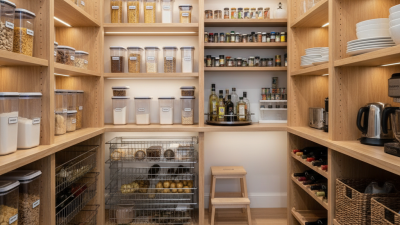
In the kitchen, decluttering can involve more than just utensils. Empty your cabinets and assess what you truly need. Many people possess gadgets used only once. Create a "go-to" drawer with essentials, making cooking easier. Empty spaces in cabinets can invite new clutter if not properly managed. Consider this a chance to rethink your kitchen habits and cooking style.
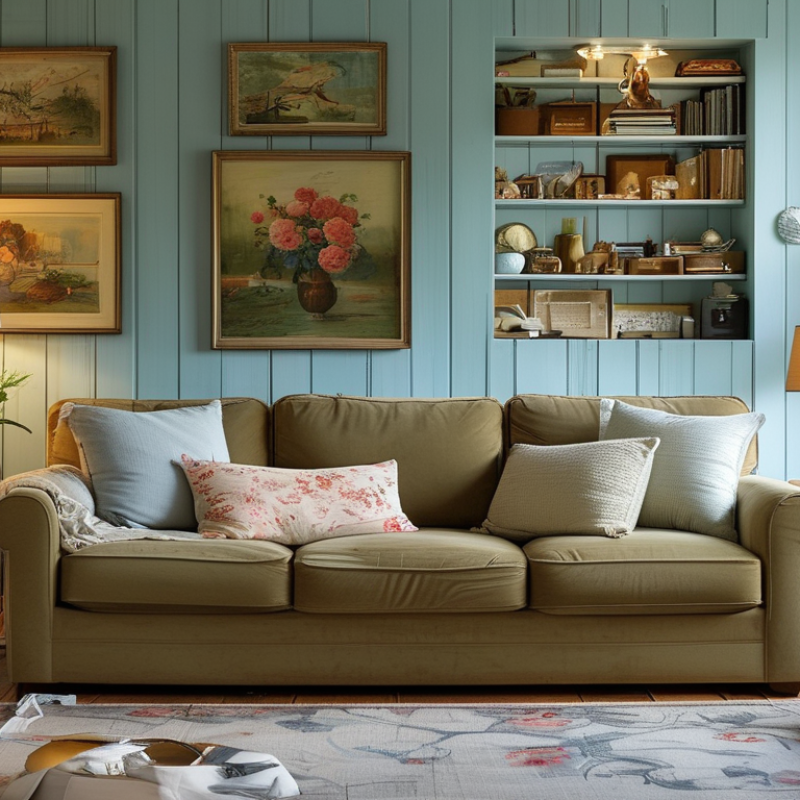
The living room needs attention too. Start by evaluating your decor. Items may have sentimental value, but they could take up precious space. Surround yourself with things that bring joy. Use storage baskets to hide miscellaneous items. Reflection on what truly matters can help steer your choices. Balancing aesthetics with practicality can be a challenge, but it’s worth the effort.
Maintaining a Clutter-Free Home in the Long Run
Creating a clutter-free home can feel overwhelming. However, maintaining this order requires consistent efforts. Start by establishing daily habits that prevent clutter from returning. For instance, implement a "one in, one out" rule. When you bring a new item home, consider letting go of something old. This mindset helps keep your space manageable.
Regularly evaluate your possessions. Schedule a monthly check-up to assess items that aren’t used. You might find clothes tucked away that haven’t seen the light of day for over a year. Ask yourself if they truly bring joy or utility. If not, it’s time for them to go. This practice prevents accumulation and keeps your home feeling fresh.
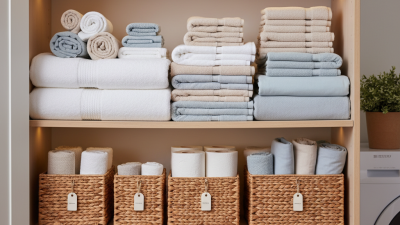
Incorporate organizational tools that suit your lifestyle. Bins, baskets, and labels can enhance without overwhelming. Still, it’s important to be mindful of how many you purchase. Too many storage solutions can create false security, leading to further clutter. Reflect on what works best for you and adjust accordingly. Consistency in these practices will promote long-term organization, making your home a peaceful refuge.
Top 10 Tips for Decluttering Your Home Efficiently
| Tip |
Description |
Frequency |
| Set Clear Goals |
Determine what areas to declutter and set a clear goal for each space. |
Once |
| Start Small |
Begin with a small area to avoid feeling overwhelmed. |
Every session |
| Use the 4-Box Method |
Designate boxes for items to keep, donate, throw away, or relocate. |
Every decluttering session |
| Follow the One-Year Rule |
If you haven't used it in a year, consider letting it go. |
Annually |
| Declutter Regularly |
Schedule regular decluttering sessions to keep clutter at bay. |
Monthly |
| Organize by Category |
Group similar items to see how much you really have. |
Every session |
| Create a Donation Plan |
Identify local charities and drop-off locations for donations. |
As needed |
| Be Mindful of New Purchases |
Consider the necessity of new items before purchasing. |
Always |
| Utilize Space Efficiently |
Maximize storage using organizers, shelves, and furniture. |
Ongoing |
| Set a Timer |
Keep focused during decluttering by setting a timer for each task. |
Every session |