10 Best Shoe Storage Ideas for Small Spaces?

Small homes often make shoes feel like a daily obstacle. A narrow entryway fills quickly with sneakers, boots, sandals, and forgotten pairs. When footwear gathers beside the door, even a clean room can look untidy. The right Shoe Storage Ideas can reclaim valuable floor space without making shoes difficult to reach.

This guide explores ten practical solutions for compact rooms, rented apartments, and busy family entrances. Each idea considers vertical space, ventilation, cleaning, accessibility, and realistic storage capacity. Wall-mounted racks can use unused height, while slim cabinets may fit behind a door or beside a wardrobe. A bench with hidden compartments can also provide seating for removing muddy shoes. Measure carefully. A cabinet that looks narrow online may block a hallway when opened. Open shelving offers quick visibility, but it can collect dust and expose footwear to sunlight. Closed storage looks calmer, although damp shoes need airflow before being enclosed.

Small details matter. Felt pads can protect flooring, and labeled baskets can prevent morning searches. Clear boxes help preserve seasonal pairs, but they may consume more space than expected. Not every solution will suit every household. That is worth admitting. A beautiful rack may fail when children cannot reach it, while a simple tray may work better than an expensive organizer. The following ideas balance appearance, durability, budget, and everyday convenience, helping you choose storage that works beyond the first tidy weekend.
10 Best Shoe Storage Ideas for Small Spaces?

Understanding Shoe Storage Needs in Small Spaces

10 Best Shoe Storage Ideas for Small Spaces?

Understanding Shoe Storage Needs in Small Spaces

Small-space shoe storage begins with behavior, not furniture. Count daily pairs, seasonal pairs, and the shoes that usually land beside the door. The National Association of Home Builders’ 2023 What Home Buyers Really Want report found that 87% of buyers value a laundry room, while 47% want a mudroom. This signals a practical need: homes need dedicated transition zones, even when floor space is limited.

Measure the entryway before choosing shelves, cabinets, or hanging organizers. A narrow vertical unit can use wall height without blocking walking paths. Open shelves improve visibility, but they expose dust and visual clutter. Closed storage looks calmer, yet it may hide damp shoes and encourage forgotten pairs. Ventilation matters. Leave small gaps between footwear, especially after rain.

Space is unforgiving.

In my experience, storage fails when it holds every pair equally. Keep frequently worn shoes between knee and ankle height, and move formal or seasonal pairs higher. The 2023 American Housing Survey from the U.S. Census Bureau also highlights how housing layouts differ across households, so one fixed solution cannot suit everyone. I once overfilled a tall cabinet and disliked it within a week. Fewer compartments might have worked better. Reassess the system after real use, not after the first tidy photograph.

Ten Space-Saving Shoe Storage Ideas to Consider

Small homes need deliberate shoe storage, not larger furniture. The National Association of Home Builders’ 2024 buyer-preference report found that 79% of buyers value garage storage. That preference reflects a wider problem: everyday items need defined homes.

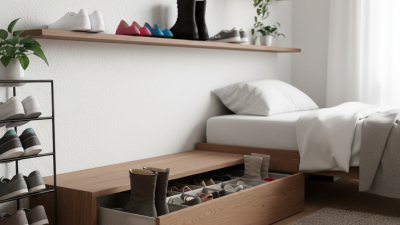
Try ten compact ideas. Use a shallow shoe cabinet near the door. Add two floating shelves above the coat rail. Slide pull-out trays beneath a bench. Hang a fabric organizer inside the closet door. Store seasonal shoes in labeled boxes under the bed. Fit narrow cubbies beside a wardrobe. Place a rotating rack inside a deep closet corner. Use stackable clear containers on high shelving. Reserve one drawer for sandals. Keep a washable tray for wet footwear.

Measure first.

I have found that vertical storage protects walking space best. Keep daily shoes between knee and shoulder height. Place formal or seasonal pairs higher. A 2023 U.S. Census Bureau American Housing Survey shows that multifamily housing remains a major part of American living, making flexible storage especially useful in smaller entrances. However, transparent boxes can look visually busy. I once planned too many shelves and made a hallway feel narrower. Fewer compartments worked better. Leave a small gap between pairs for airflow, and avoid sealing damp shoes immediately. A simple label system helps, though labels are easy to ignore when routines change. Test one storage zone for a week before installing everything.

10 Best Shoe Storage Ideas for Small Spaces

Typical shoe capacities based on common household storage dimensions. Actual capacity varies by shoe size and arrangement.

Vertical towers and cubbies generally store the most pairs while using limited floor space. Over-door organizers, under-bed boxes, and wall shelves are practical choices when floor area is especially limited.

Choosing the Right Storage Method for Your Home

Choosing the Right Storage Method for Your Home

Small entryways need storage that matches real household behavior, not idealized routines. Measure the wall, doorway clearance, and average shoe count before buying anything. A narrow cabinet works well when dust control matters. The U.S. Environmental Protection Agency reports that indoor pollutant levels can be two to five times higher than outdoor levels, so closed storage may reduce tracked-in grit near living areas. Leave ventilation space, however. Damp shoes need airflow.

For daily footwear, an open bench with two lower shelves is usually faster than a lidded box. Keep only the current season’s pairs within reach. The National Association of Home Builders’ buyer-preference research consistently ranks storage among highly valued home features, but more storage does not automatically mean better storage. Vertical racks suit unused wall height, while under-bed containers protect occasional shoes in compact bedrooms. Use clear labels and place heavier footwear below waist level. Safety guidance from the U.S. Consumer Product Safety Commission supports securing tall furniture to studs, especially in homes with children. I once chose a tall rack without checking the base depth. It wobbled, wasted space, and needed repositioning. Measure twice. Leave room for wet soles, cleaning access, and changing habits.

10 Best Shoe Storage Ideas for Small Spaces? – Choosing the Right Storage Method for Your Home

Storage Method Typical Footprint Approx. Capacity Best Location Space Efficiency Main Advantages Points to Consider
Slim Vertical Shoe Cabinet 60–80 cm W × 20–25 cm D × 100–120 cm H 12–20 pairs Narrow entryways and hallways Excellent Uses vertical space; keeps shoes hidden; creates a tidy appearance. Depth and internal shelf spacing may not suit tall boots or bulky footwear.
Over-the-Door Shoe Organizer Door width 60–90 cm; projects 15–20 cm 12–24 pairs Bedroom, closet, or utility-room doors Excellent Requires no floor area; easy to install and access. Can add weight to the door and may interfere with handles or door clearance.
Under-Bed Shoe Boxes 70–95 cm W × 35–75 cm D × 15–20 cm H 6–12 pairs Bedrooms and guest rooms Excellent Turns unused space into storage; protects seasonal shoes from dust. Less convenient for daily-use footwear; check bed clearance before buying.
Stackable Clear Shoe Boxes Approx. 22–25 cm W × 33–36 cm D × 13–20 cm H per box 1 pair per box Closets, shelves, and wardrobes Very good Modular, dust-resistant, and easy to label or see through. Requires a stable stack and may use more space than loose shoe storage.
Wall-Mounted Shoe Rack 60–90 cm W × 15–25 cm D × 10–20 cm H per tier 6–12 pairs Entryway walls and closet interiors Excellent Frees the floor and keeps frequently worn shoes visible. Needs secure wall fixing and may not be suitable for rented homes.
Bench With Shoe Compartments 80–120 cm W × 35–45 cm D × 45–50 cm H 6–10 pairs Entryways and mudrooms Good Combines seating and shoe storage in one piece of furniture. Uses more floor space and may hold fewer shoes than a tall cabinet.
Rotating Shoe Tower 35–45 cm W × 35–45 cm D × 120–180 cm H 18–30 pairs Corners, dressing areas, and closets Excellent Small floor footprint with high vertical capacity and quick access. Needs enough surrounding clearance to rotate or retrieve shoes comfortably.
Pull-Out Cabinet Drawer 60–90 cm W × 35–45 cm D × 80–120 cm H 8–16 pairs Built-in closets and hallway cabinetry Good Makes deep storage easier to reach and keeps footwear concealed. Installation can be more complex; drawers require adequate opening space.
Ladder-Style Shoe Shelf 45–65 cm W × 25–35 cm D × 140–180 cm H 10–20 pairs Open closets and compact bedrooms Very good Uses vertical space and allows airflow around footwear. Open shelves show clutter and should be anchored for stability.
Entryway Cubbies 75–120 cm W × 30–40 cm D × 45–90 cm H 8–16 pairs Entryways, foyers, and mudrooms Good Separates shoes by person or type and provides straightforward access. Takes floor space and can look untidy if each compartment becomes overfilled.

Note: Dimensions and capacities are practical household estimates. Actual capacity varies with shoe size, footwear style, shelf spacing, and available clearance.

Organizing Shoes for Easy Access and Efficient Use

10 Best Shoe Storage Ideas for Small Spaces?

Organizing Shoes for Easy Access and Efficient Use

Small spaces need storage that saves movement, not just floor area. Measure the doorway, closet depth, and walking path before buying anything. A slim vertical rack can hold daily shoes without blocking the entrance. Under-bed boxes work well for seasonal pairs, while over-door pockets keep lightweight shoes visible. Floating shelves use empty wall space. A storage bench adds seating and hidden cubbies. Stackable bins make use of closet height, but clear fronts improve access. A narrow shoe ladder fits awkward corners. Peg rails can hold sandals and slippers. A rotating tray helps reach shoes in deep closets. Seasonal swapping keeps the collection manageable.

Keep everyday shoes between knee and shoulder height. This simple rule reduces bending and searching. Place work shoes near the door, and move rarely worn pairs higher. Leave a little air around leather, fabric, and damp footwear. Closed containers look tidy, but poor ventilation can create odors. Small labels help, especially when several boxes look alike. I prefer one container per pair, although that rule sometimes wastes space.

I once stored boots under a bench and forgot about them for months. The system looked neat but failed my routine. Now I keep frequently worn shoes open and reserve boxes for special-use pairs. Review the arrangement every few weeks. If a shoe remains difficult to reach, the storage plan needs changing, not more discipline.

Maintaining a Neat and Functional Shoe Storage Area

10 Best Shoe Storage Ideas for Small Spaces

Maintaining a Neat and Functional Shoe Storage Area

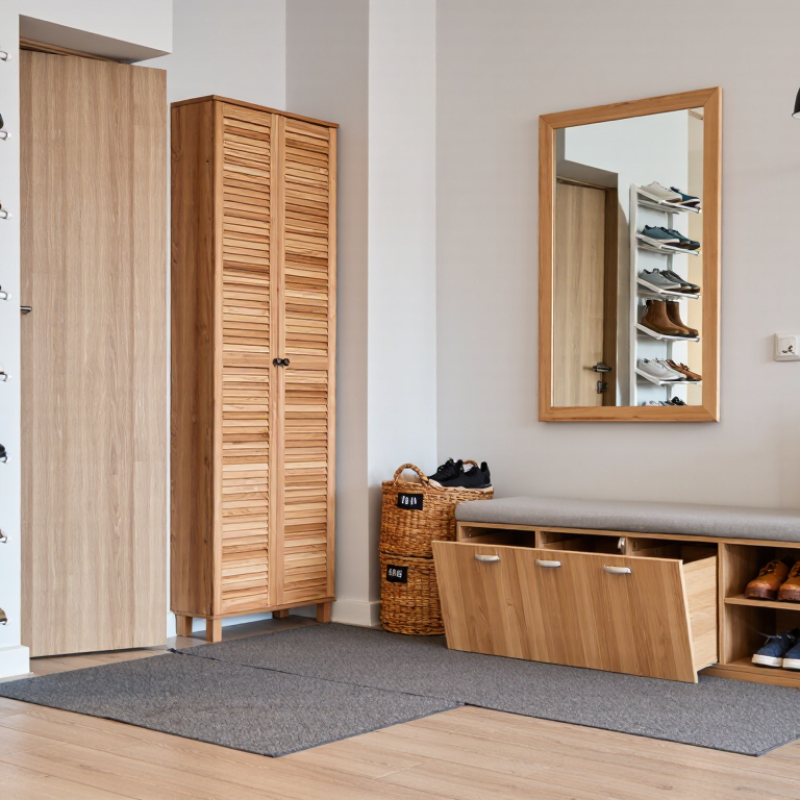
A small entryway needs storage that supports daily habits, not just attractive photos. A shallow rack, wall-mounted shelves, or a narrow cabinet can keep walking space clear. Use the lowest shelf for everyday shoes and higher shelves for seasonal pairs. A bench with divided cubbies adds seating while hiding clutter. Keep each compartment slightly wider than the shoes, so pairs do not become crushed.

Vertical storage often works better than wide furniture. Over-door pockets can hold sandals, slippers, or cleaning cloths. Under-bed boxes protect rarely used footwear from dust. Clear stackable containers make formal shoes easy to find, while pull-out drawers provide a cleaner appearance. However, sealed containers may trap moisture. Let damp shoes dry completely before storing them. I once arranged shoes too tightly, and the area looked tidy but smelled stale within days.

Tips: Keep only current pairs near the entrance. Place a washable mat below the rack, and leave a small gap behind storage for airflow. Label seasonal boxes with both the shoe type and storage month. Check the area weekly. Five minutes helps. If one pair repeatedly lands on the floor, the storage system may need changing. Practical design should follow real behavior, even when that means abandoning a neat-looking arrangement.