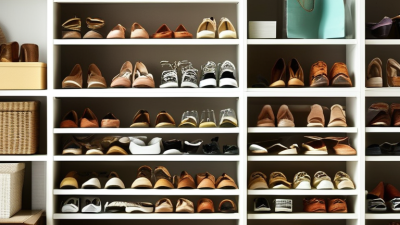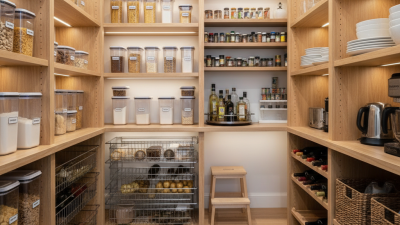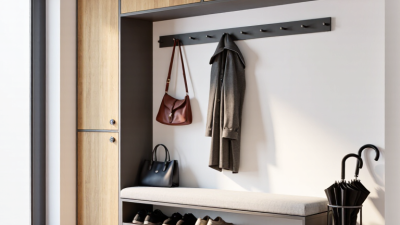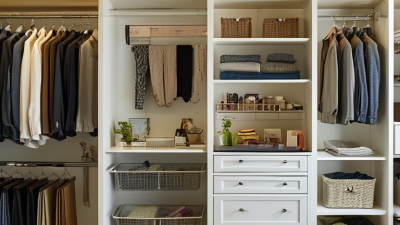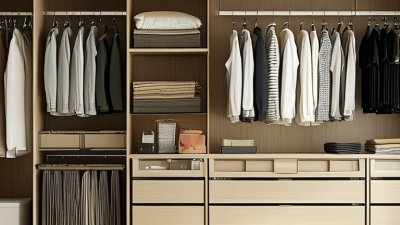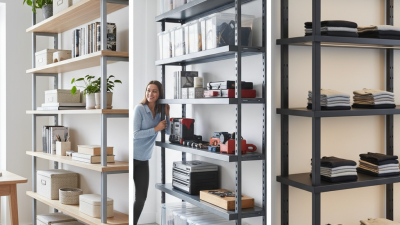
When buyers search for Kids Closet Organization suppliers in China, they are often comparing more than price. They may need adjustable closet rods, low-profile hangers, fabric bins, drawer dividers, or modular shelves for small bedrooms. A capable supplier should explain dimensions, materials, finishes, packing options, and production timelines clearly. Details matter. A storage bin that looks sturdy in a photo may bend when filled with books or winter clothes.
This overview focuses on how to assess suppliers, rather than declaring one company best for every buyer. China has manufacturers, export agents, and mixed-product vendors, and their capabilities can differ sharply. Ask for current product drawings, material specifications, sample units, and clear answers about customization. Check stitching, sharp edges, coating consistency, and stability on the actual sample. Small flaws show up fast in a child’s room.
Reliability also depends on communication and quality control. Buyers should confirm inspection steps, carton dimensions, labeling, replacement terms, and documentation relevant to their sales market. Verify safety and material claims independently; a catalog statement is not proof. Not every listing tells the whole story. No checklist is perfect, and supplier performance may change between orders. Use this guide to build a shortlist, ask better questions, and compare evidence before committing. The best fit is usually the supplier whose products, processes, and communication match your needs—not simply the one offering the lowest quote.
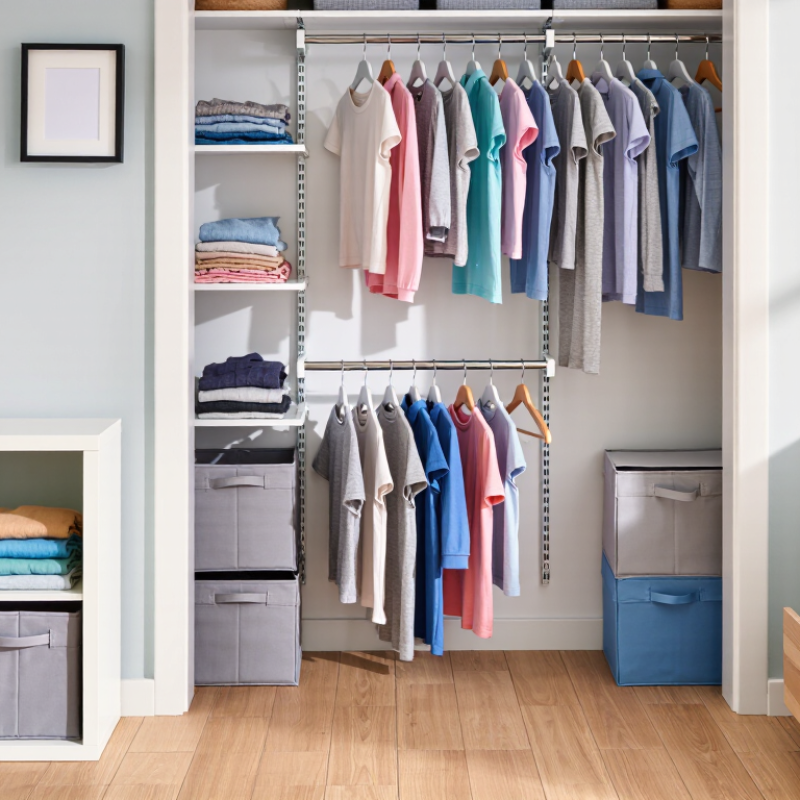
Kids’ closet organization products are storage pieces that make a child’s clothes, shoes, and accessories easier to sort and reach. Common options include adjustable hanging rails, shelf dividers, drawer inserts, fabric bins, shoe racks, and over-door pockets. A low rail can hold everyday jackets, while clear bins keep socks or building blocks visible. Labels help, though young children may rely more on pictures than words.
Good systems adapt as children grow. Adjustable shelves and removable bins can outlast a fixed layout, but measurements matter: deep containers may swallow small items, and crowded rails make clothes hard to pull out. The U.S. Consumer Product Safety Commission’s 2022 furniture and television tip-over report counted 581 deaths from 2000 to 2021, including 472 children. This is not a closet-product injury figure, but it reinforces a practical point: secure tall storage units to the wall, and keep heavy items low. Neat-looking is not always usable. Check reach, stability, and sharp edges in the actual room.
Evaluate a supplier’s process, not just its catalog. Ask for factory details, material specifications, and recent inspection records. For children’s rooms, check rounded edges, smooth drawer slides, secure shelf supports, and accessible hardware. Request load-test results for shelves and hanging rods. A polished sample is useful, but it cannot prove consistent production. Inspect a pre-production sample and compare it with the approved drawing. Check whether certificates are current and cover the actual factory and product.
Market context matters, but broad data should not be mistaken for closet-specific demand. The 2023 Houzz & Home Study reported that 55% of surveyed U.S. homeowners renovated in 2022, with median renovation spending of $22,000. This signals active home-improvement spending, not guaranteed demand for children’s storage. Ask suppliers how they manage changing orders, color matching, carton protection, and replacement parts. Test packaging with a small shipment; corners often reveal problems first. I would not rely on promises alone.
Tips: Request a written bill of materials, production timeline, and defect-remedy terms. Compare samples under real use: hang a winter coat, open drawers repeatedly, and check for wobble. Confirm the supplier can provide traceable batch records and independent test reports for your target market. One missed detail can matter.
Leading kids’ closet organization suppliers in China serve retailers, importers, and project buyers with fabric bins, hanging shelves, drawer dividers, and compact wardrobes. Many suppliers can customize colors, dimensions, labels, or packaging for different markets. In children’s rooms, practical design matters more than decoration alone. Rounded corners, stable frames, washable fabrics, and easy-to-grip handles can make daily use safer and simpler. Details matter.
Buyers should compare samples, not just catalog images. Check shelf dimensions, seam strength, zipper movement, frame stability, and whether bins keep their shape when lightly loaded. Ask suppliers for material specifications, relevant test documentation, production lead times, and clear packaging details. A sample may look neat but feel flimsy after repeated handling. That happens. Factory visits or independent inspections can help verify production consistency, though they add time and cost. Communication also deserves attention: confirm measurements in writing and request a revised sample when a detail is unclear.
Tips: Test a sample with real children’s clothing. Measure the closet before ordering, and leave room for doors and drawers to open.
Supplier-category comparison for sourcing research. No company names or unsupported supplier rankings are included.
| Supplier Category | Typical Product Range | Materials to Ask About | Customization Options to Confirm | Purchasing Checks | MOQ and Lead Time |
|---|---|---|---|---|---|
| Closet storage and organizer manufacturers | Hanging organizers, shelves, drawer units, and modular storage components. | Ask for the exact material and construction details for each item, such as fabric, plastic, metal, or wood-based components. | Available dimensions, compartment layout, colors, labels, packaging, and private-label options. | Request product drawings, material specifications, sample approval, and applicable market-specific test documentation. | Not standardized; request a written quotation for the selected design, order quantity, and destination. |
| Fabric storage product suppliers | Cloth bins, collapsible boxes, hanging pockets, and soft-sided closet organizers. | Confirm fabric composition, lining, seams, support inserts, and any coatings or surface treatments. | Fabric color, print, size, pocket arrangement, stitching details, and packaging. | Check dimensions when assembled and folded, load guidance, color consistency, odor, and care instructions. | Depends on materials, printing, and order quantity; confirm sample and production schedules directly. |
| Plastic storage product suppliers | Storage bins, drawer organizers, stackable containers, and closet accessories. | Ask for the specified plastic resin, product weight, and details of any mixed-material parts. | Product dimensions, colors, lids, dividers, surface finish, and packaging format. | Verify fit and dimensions using samples; request documentation relevant to the product and its intended sales market. | Quote-dependent; confirm tooling charges, production quantity, and delivery schedule in writing. |
| Metal rack and hardware suppliers | Garment rails, adjustable racks, hooks, brackets, and closet hardware. | Confirm the metal type, tube or wire construction, joining method, and coating or finish. | Overall dimensions, height adjustment, finish, hook configuration, and component packaging. | Check assembly instructions, stability for the intended use, finish quality, and any stated load limits. | Varies by product and configuration; obtain confirmed MOQ and lead time with the quotation. |
| Wood and board-based storage suppliers | Shelves, drawer units, cubbies, and freestanding closet storage furniture. | Ask for the exact panel or solid-wood specification, finish, edge treatment, and hardware details. | Dimensions, finish, color, drawer layout, hardware, assembly method, and flat-pack packaging. | Request assembly documents, packaging details, product stability information, and applicable compliance records for the destination market. | Project-specific; confirm sample approval, production timing, and order terms before placing an order. |
MOQ, pricing, lead time, materials, and compliance requirements vary by product and order. Confirm current specifications and supporting documents directly with each prospective supplier.
Chinese suppliers of kids’ closet organizers can vary widely in product range and production flexibility. Some focus on fabric bins and hanging organizers, while others offer drawer dividers, stackable boxes, or complete storage sets. Compare material thickness, stitching, edge finish, and available dimensions—not just catalog photos. Small details matter. A sample can reveal whether a fabric bin keeps its shape when lightly filled, or whether a divider fits a standard drawer. Ask for written specifications and confirm that samples match the materials planned for bulk production.
Service differences often show up before an order is placed. Clear replies, accurate drawings, and realistic lead times make planning easier. Ask how the supplier handles sample changes, inspections, packaging, and shipping updates. A polished catalog is not proof of consistent quality; it is worth checking how claims are documented. Some suppliers may be flexible on colors but less adaptable on dimensions or small order quantities. That can be frustrating. Unclear measurements from the buyer can also cause delays, so share drawer dimensions and intended use early. No supplier is ideal for every project, and comparing a few written quotations can expose gaps in both cost and service.
Finding a reliable kids’ closet organization supplier in China takes more than reviewing attractive catalog photos. Request the company’s registered details, factory address, and a live video tour of production and packing areas. Ask whether components are made in-house or subcontracted. Subcontracting is not automatically a concern, but unclear answers are. Check how the supplier handles changes to materials or production schedules.
Request a sample and a written specification sheet before discussing a large order. Confirm dimensions, materials, load capacity, surface finish, stitching, and packaging. For children’s storage products, inspect sharp edges, small detachable parts, stability, and any wall-anchoring instructions. Measure the sample yourself; listed dimensions can be slightly off. That matters. Ask for relevant product test reports, and check that the reports describe the same materials and model you plan to buy.
Compare quotes using the same specifications, order quantity, packaging, and delivery terms. Ask for references from recent buyers, then consider an independent inspection before shipment. Keep written approval records for the sample and final specifications. A good sample does not guarantee every unit will match. No checklist catches everything. Production can vary, especially when orders are rushed, so leave time for corrections rather than relying on a perfect-looking first sample.
Suggested buyer-defined weights for comparing suppliers. Request verifiable evidence for each category before placing an order.
The percentages are a practical evaluation framework, not market-survey results. Check product samples, material and safety documentation, production capability, business records, and after-sales terms independently.