7 Entryway Storage Systems Tips for Global Buyers?
Entryway Storage Systems are no longer simple cabinets beside a front door. They support daily routines, space efficiency, safety, and brand perception across residential and commercial projects. Global buyers must assess more than appearance. They need reliable dimensions, material performance, packaging quality, and installation support.
The global home organization market continues to attract attention from manufacturers and retailers. Grand View Research identifies rising demand for organized living spaces, modular products, and furniture that uses limited floor area efficiently. IKEA’s Life at Home Report also shows that people value homes that feel functional, calm, and personally manageable. These findings matter at the entryway, where wet coats, footwear, umbrellas, bags, and keys often compete within one narrow zone.
Small details create major differences. A 900-millimeter hallway may need wall-mounted storage instead of a deep floor cabinet. A coastal buyer may require corrosion-resistant hardware. A hotel project may prioritize fire performance, quick cleaning, and replacement parts. That assumption often fails.
Reliable sourcing requires practical verification. Buyers should request load tests, surface-finish specifications, moisture resistance data, carton drop-test results, and installation instructions. ISO 9001 certification can support process consistency, but it does not replace product inspection. Applicable standards, such as EN 14749 for domestic storage furniture, should also be checked for the target market.
The following seven tips examine supplier evaluation, material selection, customization, logistics, compliance, and after-sales service. Some recommendations are widely accepted. Others deserve careful reconsideration. A beautiful system that arrives damaged, fits poorly, or cannot be repaired is not a successful purchase. Good buying decisions begin with evidence, not catalog photography.
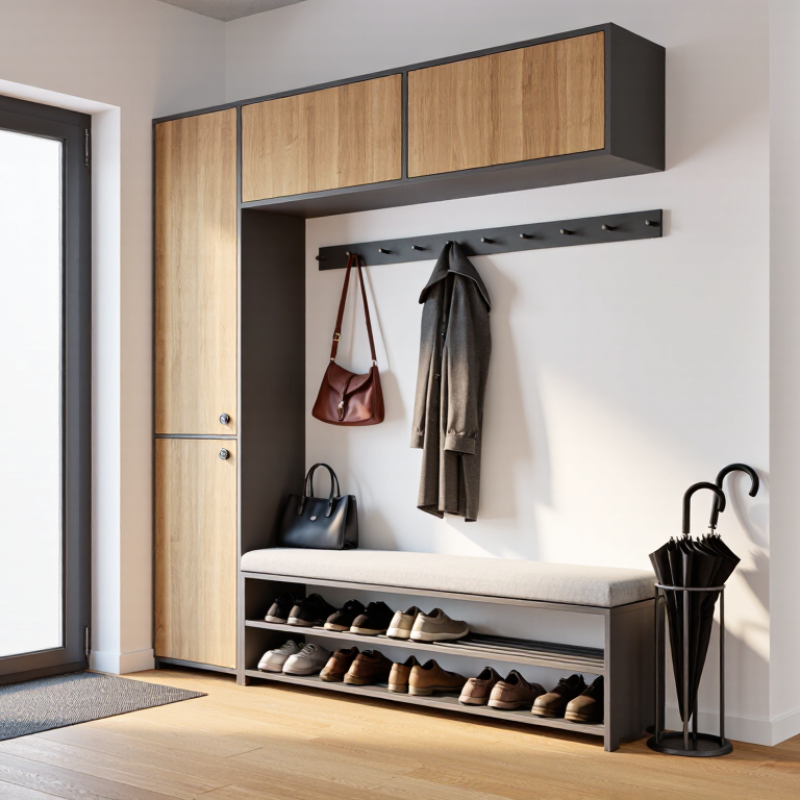
Define Seven Entryway Storage System Types for Global Buyer Needs
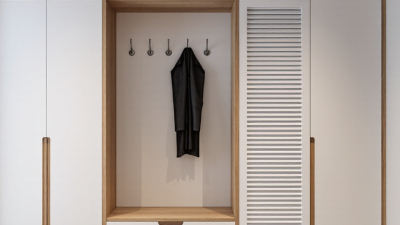
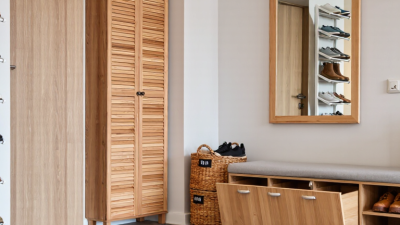
Global buyers need entryway storage systems that match space, climate, habits, and installation conditions. Seven practical types cover most homes and commercial spaces. A wall-mounted rail holds coats, bags, and umbrellas while keeping wet floors clear. A shoe cabinet protects footwear from dust and offers a cleaner visual line. A storage bench combines seating with hidden compartments, which helps when users change shoes near the door.
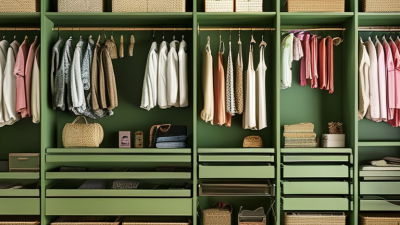
A coat tree suits renters or smaller entrances because it needs little wall preparation. Modular cubbies provide flexible sections for shoes, baskets, helmets, and children’s items. A console with drawers works well in wider hallways, offering a surface for keys and documents. An enclosed wardrobe gives the highest capacity for coats, luggage, and seasonal accessories, but it needs careful door clearance.
From practical sourcing experience, buyers should check moisture resistance, load ratings, hardware quality, and assembly instructions. Humid regions may require sealed panels and corrosion-resistant fittings. Narrow apartments need measured depth, not attractive photographs. Accessibility also matters; frequently used hooks should remain easy to reach. Packaging protection and replacement-part availability improve purchasing reliability across borders. A common mistake is choosing maximum storage without planning movement around it. I have made that mistake myself. A smaller system can sometimes serve better. Check cleaning needs, wall structure, ventilation, and local installation requirements before approving a final specification.
Measure Fit with ADA 915 mm Routes and 1,525 mm Turning Circles
Entryway storage starts with the walking route, not the cabinet.
For accessible planning, reserve a clear 915 mm route after installation. Measure between finished walls, handles, shelves, and any projecting hooks. A drawing may show enough space, but a bulky coat or open door can reduce it quickly. Keep this route continuous from the entrance to the main living area.
A 1,525 mm turning circle needs careful placement. Check the circle after adding benches, shoe drawers, baskets, and radiator covers. Sliding doors can protect circulation space, while hinged doors may interrupt it. Keep deep storage outside the turning area whenever possible. Use wall-mounted hooks at varied heights, leaving lower positions reachable without stretching. Rounded edges also reduce snagging risks.
Global buyers should verify local accessibility rules before approving production.
The 915 mm and 1,525 mm figures are useful planning benchmarks, but they may not replace regional requirements. Request dimensioned shop drawings, including door swings and hardware projections. Test the layout with a tape outline on the floor.
It feels basic. It catches mistakes.
Seven practical checks help:
measure finished conditions,
protect the clear route,
confirm the turning circle,
review door swings,
control cabinet depth,
vary storage heights, and
inspect the installed result.
I have seen attractive entryways fail because a small tray occupied the turning zone. That detail was missed. Rechecking the space with real coats and footwear is wiser than trusting an empty-room measurement.
Control Safety with EN 14749, ASTM F2057, and 0.05–0.11 ppm Limits
Global buyers should treat entryway storage as a safety system, not merely a place for shoes and coats. EN 14749 supports checks for furniture strength, stability, durability, and wall-fixing performance. Request test reports that identify the exact model, materials, loading conditions, and production date. A cabinet that feels stable in a showroom may shift on uneven flooring.
ASTM F2057 focuses on clothing storage units and tip-over risks, so its direct scope may not cover every entryway cabinet. Still, its anti-tip principles are valuable. Specify secure anchoring, restrained doors, and clear installation instructions. Test the unit with realistic loads, including wet footwear and heavy bags. Small details matter. Keep frequently used items below shoulder height.
Air quality deserves equal attention. For composite panels, confirm formaldehyde emissions through an accredited laboratory. A specification between 0.05 and 0.11 ppm may be requested by a buyer or project, but it is not a universal legal limit. Requirements differ by market, room type, and testing method. Ask for the sampling temperature, exposure time, chamber method, and reporting basis. Do not accept a single “low emission” claim without evidence. One weakness remains common: buyers check paperwork carefully, then overlook the wall material at installation. A strong anchor cannot compensate for weak plasterboard.
Verify Global Trade through FSC, HS Codes, and Incoterms 2020
For global buyers, an entryway storage system is more than a bench, rack, or cabinet. Its materials and shipping terms require careful verification. The Forest Stewardship Council reported over 160 million hectares of certified forests worldwide in recent annual data. However, an FSC logo alone is insufficient. Request a valid Chain of Custody certificate and check whether it covers the exact product, factory, and invoice. A wood bench may include certified panels but uncertified hardware.
HS Codes also deserve attention. The first six digits are internationally harmonized, while national systems may add more digits. Entryway furniture can fall under different codes, depending on material, construction, and use. Confirm the classification with a qualified customs broker before production. The World Trade Organization recorded approximately 24 trillion US dollars in global merchandise trade in 2023. Small classification errors can still create delays, duties, or inspection questions.
Incoterms 2020 should match the buyer’s real control over freight and customs. Under FOB, the buyer usually manages the main ocean transport. Under DDP, the seller takes broader delivery and import responsibilities, but local tax rules remain important. Ask for carton dimensions, gross weight, pallet details, and a named delivery point. I still recheck every address. A polished quotation can hide unclear insurance, unloading, or customs obligations. Industry reports provide useful benchmarks, but product-specific documents remain the stronger evidence.
7 Entryway Storage Systems Tips for Global Buyers
Verify product specifications, FSC chain-of-custody documentation, the correct HS classification, and Incoterms® 2020 responsibilities before placing an international order.
Trade verification focus: Incoterms® 2020 contains 11 rules: 7 rules apply to any mode of transport, while 4 rules are intended for sea and inland waterway transport only. For entryway storage systems, buyers should also confirm dimensions, materials, packaging, FSC documentation where applicable, the HS code used for customs classification, and the selected delivery responsibility.