China Best Entryway Storage Systems Manufacturers?
Choosing China’s best Entryway Storage Systems manufacturers requires more than comparing prices or polished product photos. Buyers must examine factory experience, material quality, production control, customization ability, and after-sales reliability. A strong manufacturer should understand narrow hallways, wet shoes, heavy coats, and changing household routines. It should also provide clear specifications for board thickness, hardware load capacity, surface finishes, and packaging protection.
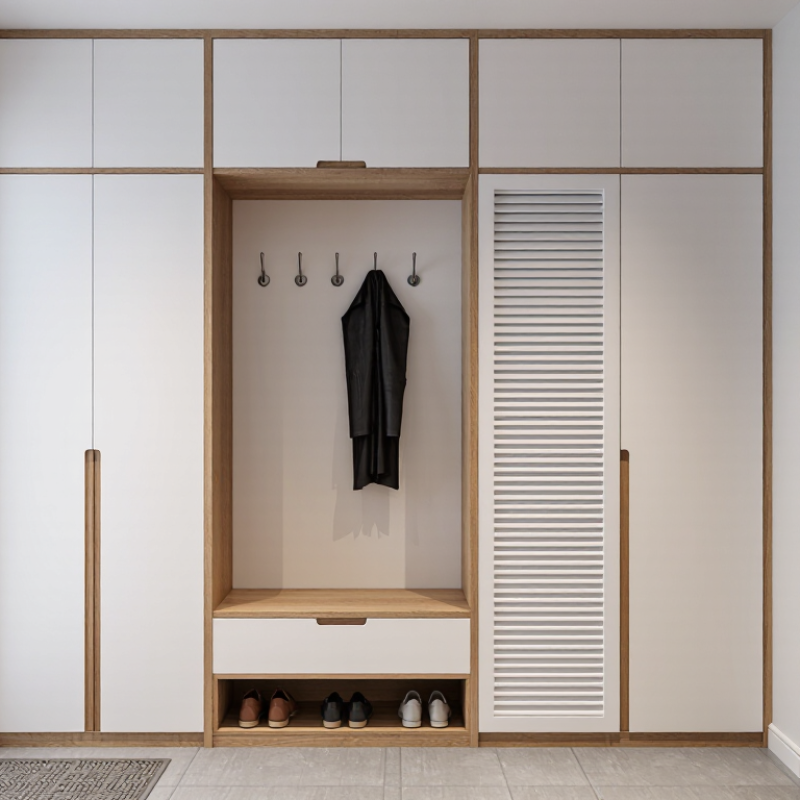
Professional organizer Julie Morgenstern offers a useful perspective: “Organizing is not about getting rid of everything you own. It’s about living the way you want to live, but better.” Her statement reflects the real purpose of Entryway Storage Systems. They should reduce daily friction, not simply fill a wall with cabinets. A practical design may include a 300-millimeter shoe compartment, ventilated doors, hidden hooks, and a bench that supports repeated use.
This guide reviews manufacturers through an experience-based lens. It considers project references, engineering communication, sample accuracy, quality inspections, and export capability. Reliable suppliers should explain how they manage moisture resistance, edge sealing, hardware alignment, and color consistency. They should also welcome factory audits or independent inspections. Not every impressive catalog proves manufacturing strength. That assumption can be costly.
Some factories may offer excellent cabinetry but weak installation guidance. Others may accept custom dimensions but struggle with small orders. These limitations deserve attention. The best choice depends on your market, budget, design expectations, and delivery schedule. A perfect supplier may not exist. Careful comparison still produces a safer, more informed decision.
What Defines a High-Quality Entryway Storage System Manufacturer in China
China Best Entryway Storage Systems Manufacturers?
A high-quality entryway storage system manufacturer combines practical design, stable production, and verified quality control. In China, experienced manufacturers should understand daily entryway problems, including wet shoes, crowded corners, heavy bags, and limited wall space. They should offer durable materials, precise dimensions, smooth drawer movement, and safe load-bearing structures. Ask how they test hinges, hooks, sliding rails, and surface finishes. A polished catalog is not enough. Look deeper.
Tips: Request material samples, production photos, inspection records, and a complete prototype before placing a large order. Check whether the supplier can explain moisture resistance, edge sealing, packaging protection, and installation details clearly. Reliable manufacturers usually provide traceable specifications, realistic lead times, and responsive after-sales support. Their communication should remain consistent after the quotation stage.
Manufacturing experience also appears in small details. For example, a bench should support repeated sitting without wobbling, while shoe compartments need ventilation and easy cleaning. Custom sizes are valuable, but excessive customization may increase errors and costs. No supplier is perfect. I would compare samples under real use, not only judge showroom appearance. A manufacturer worth considering should accept reasonable feedback, identify weak points, and improve the design instead of hiding defects. That attitude often reveals more than a low initial price.
Key Types of Entryway Storage Systems and Their Applications
China’s best entryway storage systems manufacturers understand that one layout cannot fit every home.
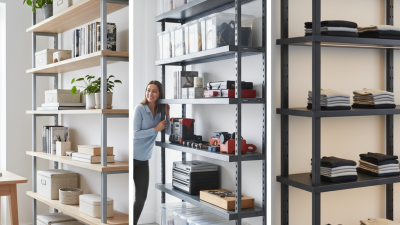
The National Bureau of Statistics reported China’s urbanization rate at 66.16% in 2023. Compact apartments therefore need vertical, flexible storage. Wall-mounted cabinets suit shoes, umbrellas, and small parcels. Bench cabinets combine seating with concealed shoe compartments. Open shelving improves visibility, but it also exposes dust and clutter.
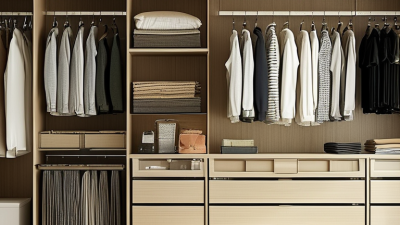
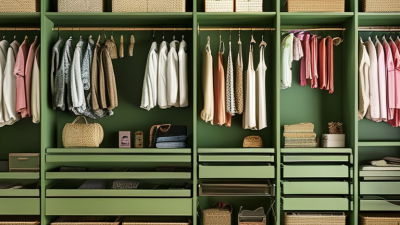
Freestanding wardrobes work well in larger entrances and rental homes. They can store coats, bags, helmets, and seasonal items. Slim shoe cabinets fit narrow corridors, especially when doors open diagonally or fold. Modular systems offer another practical option. Users can add hooks, drawers, or upper cabinets later. The Freedonia Group’s 2023 Storage and Organization Products report identifies closets, utility areas, and garages as important storage-demand segments. This supports a broader lesson: entryway systems should connect with the home’s total storage plan, not act as isolated furniture.
Tips:
Measure door swing, wall depth, and walking clearance before ordering. Leave space for wet shoes to dry. Use durable boards, reinforced hinges, and easy-clean surfaces. Ask manufacturers for load testing and moisture-resistance data. Poor ventilation remains a common weakness. A beautiful cabinet may still smell, warp, or become inconvenient after several months. Manufacturers should test real household routines, not only showroom appearance.
Leading Manufacturing Regions and Production Capabilities in China
China’s Best Entryway Storage Systems Manufacturers
China’s entryway storage industry is concentrated in several strong manufacturing regions. Guangdong supports metal fabrication, hardware production, and efficient export logistics. Zhejiang is known for furniture clusters, molded components, and flexible private-label production. Jiangsu offers strong capabilities in engineered wood, precision cutting, and automated assembly. Fujian also supplies practical storage furniture with competitive production costs.
Manufacturers in these regions can develop shoe cabinets, wall organizers, benches, coat racks, and modular entryway systems. Many factories combine CNC cutting, edge banding, powder coating, welding, and final assembly under one roof. This reduces handling time and improves consistency. However, factory capability can vary widely. Some workshops still depend on manual inspection, causing uneven gaps or surface defects. That matters. Buyers should review production samples, material reports, load tests, and packaging details before placing large orders.
Tips: Match the region with your product needs. Choose Guangdong for metal-heavy designs and fast export coordination. Consider Zhejiang or Jiangsu for wood-based systems and modular furniture. Request a factory video, not only polished catalog photos. Check carton strength, moisture protection, hardware quality, and replacement-part support. A small trial order often reveals more than a sales presentation.
China Best Entryway Storage Systems Manufacturers? Leading Manufacturing Regions and Production Capabilities in China
China’s main entryway storage manufacturing clusters are concentrated in Guangdong, Zhejiang, Jiangsu, Fujian, and Shandong. The comparative scores summarize commonly established regional strengths in furniture production, metal processing, OEM export, customization, and supply-chain integration. Scores are capability indicators rather than official production statistics.
Scale: 1 = limited capability, 5 = strong capability. Guangdong and Zhejiang are especially suitable for metal-and-wood entryway systems, while Jiangsu, Fujian, and Shandong provide strong furniture, wood-processing, and OEM manufacturing capacity.
How to Evaluate Chinese Entryway Storage System Manufacturers
China Best Entryway Storage Systems Manufacturers?
How to Evaluate Chinese Entryway Storage System Manufacturers
Choosing a Chinese manufacturer requires more than comparing catalog prices. Examine production experience, material control, and documented quality procedures. Ask how long the factory has produced entryway furniture and which markets it serves. A reliable supplier should explain its process clearly, without hiding behind vague claims.
Request a working sample before approving a large order. Check door alignment, drawer movement, edge finishing, and wall-mounting strength. Measure the sample against approved drawings, including panel thickness and hole positions. Small errors can create expensive installation problems. I have found that a clean sample does not always reflect mass production, so an on-site inspection or independent quality check remains valuable.
Review material certificates, test reports, and packaging plans carefully. Particleboard, steel hooks, and surface coatings should match the agreed specifications. Ask for inspection records from cutting, assembly, and final packing stages. Clear communication also matters; timely answers often reveal stronger project management. However, polished documents can still miss practical weaknesses. Confirm production capacity, replacement procedures, lead times, and shipment protection in writing. A factory willing to discuss failed samples and corrective actions may be more dependable than one promising perfection.
Quality Standards, Customization, Pricing, and Export Support
China’s best entryway storage system manufacturers should prove quality through measurable details, not attractive catalog images. Look for steel thickness, board density, edge sealing, coating adhesion, and load testing records. Strong suppliers follow documented quality procedures, including incoming material checks and final inspections. Ask for sample units before placing a large order. Small defects matter.
Customization should fit real spaces. Manufacturers may adjust cabinet widths, hooks, shoe compartments, colors, and assembly methods. Share accurate drawings, wall dimensions, and expected daily use. A professional factory should confirm tolerances and recommend safer structures when a design is impractical. Custom work can increase tooling fees and lead time. This is often overlooked.
Pricing needs a clear breakdown. Compare material grades, hardware, packaging, inspection, and shipping terms rather than unit prices alone. Export-ready suppliers should provide commercial invoices, packing lists, product specifications, and suitable carton protection. Moisture-resistant packaging helps during long transit, but it cannot fix poor warehouse handling. Request production photos and inspection updates. Communication can still fail, especially across time zones. Written approvals reduce misunderstandings. A reliable manufacturer explains delays honestly and offers workable alternatives. That builds trust.