10 Best Tips for Decluttering Your Home Effectively?
Decluttering your home can feel overwhelming. Yet, it is a vital step towards a peaceful living space. According to Marie Kondo, a renowned expert in this field, "The space you live in should be a joy." This idea encapsulates the essence of decluttering your home. It's not just about tossing items. It’s about creating an environment that reflects your values and brings you happiness.
Many find it challenging to part with belongings. Sentimental items often weigh heavily on us. A pile of unused furniture or clothes can symbolize past lives or dreams. However, holding onto these items can also hold you back. Being mindful about what stays and what goes is crucial. You should ask yourself if the item truly adds value to your life.
The journey of decluttering your home often reveals deeper insights. You might discover how much space your clutter occupies in your mind. Recognizing this can inspire a more intentional approach to your belongings. It's a process that requires patience and reflection. Ultimately, decluttering is not just a physical task; it’s an opportunity to redefine your space and, in turn, your life.
Understanding the Importance of Decluttering for a Better Living Space
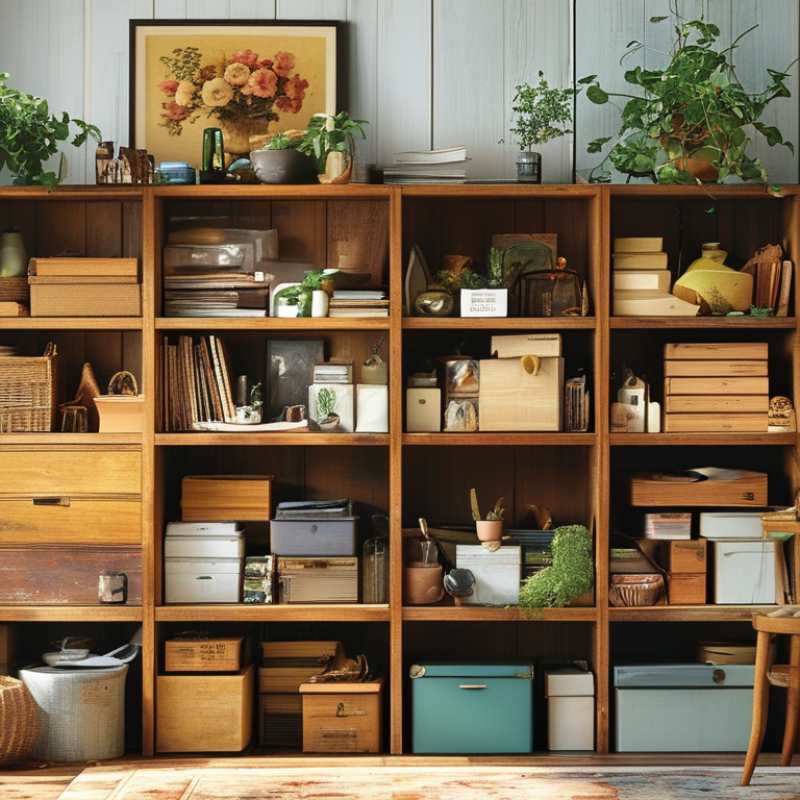
Understanding the importance of decluttering is essential for improving your living space. Research shows that a cluttered environment can lead to increased stress and anxiety levels. According to studies by the National Center for Biotechnology Information, decluttering can significantly reduce cortisol levels, leading to a calmer mind. A well-organized home also enhances focus and productivity, fostering better overall well-being.
To declutter effectively, start small. Tackle one drawer or shelf at a time. This strategy prevents overwhelming feelings. Create a “keep,” “donate,” and “discard” system. This organization can simplify decisions and promote mindfulness about your possessions. Remember to ask whether each item truly adds value to your life.
Another important aspect is to set a timeline. Allocate specific days for decluttering tasks. Studies suggest that regular decluttering can maintain a more peaceful environment. Setting aside 20 minutes each week can make a significant difference. Reflect on your progress and adjust your approach as needed. After all, it’s not about perfection; it’s about creating a living space that feels right for you.
Setting Clear Goals for Your Decluttering Journey
Setting clear goals is vital for a successful decluttering journey. Before you start, take a moment to visualize your ideal space. What does it look like? What atmosphere do you want to create? This visualization can guide your decisions. Write down specific goals, like decluttering one room per week, to give you direction.
Establishing a timeline helps make your goals manageable. Break larger objectives into smaller, actionable steps. For instance, commit to sorting through a drawer each day. Celebrate small wins to keep motivation high. Reflect on the emotional aspects too. Letting go of items can be challenging. Acknowledge your feelings and understand the reasons behind your attachment.
Remember, perfection is not the goal here. Progress can be messy and unbalanced. You may experience setbacks or feel overwhelmed at times. It's okay to pause and reassess your goals. Adapting your plan based on what works for you is part of the journey. Focus on creating a space that reflects your needs and preferences.
Practical Strategies for Sorting and Categorizing Items
Decluttering your home can feel overwhelming. The key lies in effective sorting and categorizing strategies. Research shows that 82% of people find it difficult to maintain organization. One effective technique is to use the “Four-Box Method.” Label four boxes: Keep, Donate, Trash, and Recycle. This physical separation helps clarify decisions. It creates a sense of urgency, reinforcing prompt action.
Another approach is the “One-Year Rule.” If you haven’t used an item in a year, consider letting it go. According to a study by the National Association of Professional Organizers, 54% of people store unused items. This adds clutter and stress. Instead, challenge yourself to make tough choices. It’s okay to let go of sentimental items, but reflect on their value. Decluttering is about creating space for what truly matters.
A visual method can also be impactful. Take photos of items with emotional significance before you part with them. This allows you to preserve memories without the clutter. The Psychology of Clutter report indicates that emotional attachment can hinder decluttering. Acknowledge your feelings, but focus on practicality. Reducing clutter not only enhances your environment but also promotes mental well-being and reduces stress.
10 Best Tips for Decluttering Your Home Effectively
| Tip Number |
Tip Description |
Category |
Estimated Time |
| 1 |
Start with one room at a time to avoid feeling overwhelmed. |
Organization |
1 hour |
| 2 |
Use the 'Four Box Method' to sort items: keep, donate, toss, and indecision. |
Sorting |
2 hours |
| 3 |
Declutter daily by setting a timer for 10-15 minutes. |
Routine |
15 minutes |
| 4 |
Create a 'maybe' box for items you're unsure about. |
Indecision |
30 minutes |
| 5 |
Evaluate your belongings based on usage and emotional value. |
Assessment |
1 hour |
| 6 |
Implement a one-in-one-out rule for new purchases. |
Prevention |
N/A |
| 7 |
Digitize important documents to reduce paper clutter. |
Digitization |
2 hours |
| 8 |
Make a habit of decluttering seasonal items after each season. |
Seasonal |
1 hour |
| 9 |
Get the whole family involved to make it a fun activity. |
Family Activity |
1.5 hours |
| 10 |
Reward yourself after completing decluttering tasks. |
Motivation |
Variable |
Effective Methods for Disposing of Unwanted Items
Decluttering your home can feel overwhelming. A crucial part of this process is effectively disposing of unwanted items. Start with a clear vision of what you want to keep. It helps to categorize items into groups. Some can be donated, while others may be sold online or at local garage sales. Take a moment to reflect on the value of each item. Ask yourself if it truly brings joy or serves a purpose.
When it comes to donating, research local charities. Many organizations accept clothes, furniture, and household items. Ensure they are in good condition. For items that are beyond repair, look for recycling programs in your community. This prevents unnecessary waste. There may be a slightly inconvenient step involved, like sorting items carefully to make sure they go to the right places. But it's worth it.
Consider holding a short period to see if you miss certain items before parting with them. This practice can be eye-opening. You may find it easier to let go of things that were once hard to part with. By understanding the impact of your choices, you can declutter more mindfully. It’s about creating a space that feels right for you.
10 Best Tips for Decluttering Your Home Effectively
Maintaining a Clutter-Free Home: Tips for Long-Term Success
Maintaining a clutter-free home requires consistent effort and strategic planning. Research from the National Association of Professional Organizers shows that 54% of people feel overwhelmed by their belongings. This statistic underscores the importance of creating sustainable habits. Start by establishing designated zones for items. Each category should have a specific place, reducing the urge to let clutter accumulate again.
Regularly assess your space and belongings. The clutter-free approach suggests revisiting areas every few months. You may find items that no longer serve a purpose. Cognitive Behavioral Therapy studies indicate that engaging in this reflective process can reduce anxiety related to possessions. It's not just about tidiness; it is about creating a harmonious environment that supports mental well-being.
Involve all household members in the decluttering process. A study from UCLA found that 61% of homeowners feel stressed by disorganized spaces. Create a shared responsibility to maintain the organization. Remember, perfection isn't the goal. Embrace the messiness of life, but strive for intentionality in your surroundings. Regular check-ins on what you keep can help combat the urge to acquire more.