What Are the Top Cabinet Hardware Trends for 2026?

Cabinet Hardware Trends for 2026 are moving beyond decoration. They reflect how kitchens are used, cleaned, repaired, and lived in every day. This guide examines the leading directions shaping pulls, knobs, latches, and integrated handles. It considers evidence from current product development, interior design practice, and installer experience. The focus stays practical: comfortable grip, reliable mounting, sensible proportions, and finishes that tolerate fingerprints. A beautiful handle still fails if its screws loosen after repeated use. Small details matter.

Expect warmer metals, softened geometry, textured surfaces, and slimmer profiles to gain attention in 2026. Matte black will remain relevant, but it may share space with brushed brass, bronze, and muted nickel. Mixed-metal schemes can add depth, although careless combinations quickly look accidental. This outline will also explore appliance integration, accessible placement, sustainable materials, and maintenance requirements. Professionals should compare manufacturer specifications, coating warranties, load ratings, and replacement availability before recommending a trend. Real kitchens expose weaknesses that showroom lighting hides.

Trends are not guarantees. Some fashionable finishes may age poorly, while modest hardware may perform beautifully for years. That uncertainty deserves attention, especially when a renovation budget cannot support frequent replacement. The strongest choices balance visual character with daily comfort, proven durability, and the homeowner’s actual habits. Readers will find clear comparisons, realistic cautions, and room for personal judgment throughout the discussion.
What Are the Top Cabinet Hardware Trends for 2026?

Materials and Finishes Defining Cabinet Hardware in 2026

In 2026, cabinet hardware is moving beyond decoration. Material choice now shapes how a kitchen feels, ages, and performs. Brushed stainless steel remains practical, especially near sinks and cooking areas. Its soft sheen hides fingerprints better than polished surfaces. Warm bronze and muted brass add depth without making cabinetry look overly formal. Dark finishes are also gaining attention, but they can show dust quickly.

Ceramic, recycled glass, and responsibly sourced wood bring more tactile character. Ceramic knobs can feel slightly irregular, which makes a room seem less manufactured. Wood pulls add warmth to flat-panel doors, although moisture may affect them over time. I have found that finish samples often look different under evening lighting. The trend is not perfect.

Tips: Test hardware beside the actual cabinet color. Touch the pieces before ordering several sets. Check screw length and mounting strength. In busy kitchens, choose sealed finishes and smooth edges for easier cleaning. Mixing two finishes can work well, but repeating one finish elsewhere keeps the room controlled.

Matte textures are becoming more refined in 2026. They reduce glare and suit calm, minimal interiors. However, some low-sheen coatings may wear at frequently used drawers. Ask about abrasion resistance, cleaning instructions, and warranty terms before committing. A beautiful finish is only successful when it survives daily hands, spills, and rushed mornings. Personal preference still matters more than trend reports, and that is easy to forget.

Modern Shapes and Profiles for Cabinet Knobs and Pulls

What Are the Top Cabinet Hardware Trends for 2026?

Modern cabinet hardware is moving beyond basic round knobs and straight bar pulls. Soft rectangles, pill-shaped profiles, and gently curved handles are gaining attention because they feel refined without looking fragile. Slim edge pulls also suit flat-panel doors, especially in compact kitchens where visual clutter becomes obvious. Grand View Research valued the global cabinet hardware market at approximately USD 16.4 billion in 2023. Its forecast suggests a 6.8% compound annual growth rate through 2030, reflecting continued renovation demand.

For 2026, proportion matters more than decoration. A long, narrow pull can make a drawer appear wider, while a small mushroom knob adds a quiet, furniture-like detail. The National Kitchen & Bath Association’s 2024 Kitchen Trends Report continues to identify transitional design as a major professional preference. That supports hardware with clean geometry, softened edges, and practical grip space. Mixed finishes may remain relevant, but careless combinations can make a kitchen feel unfinished. I still question whether every cabinet needs matching hardware.

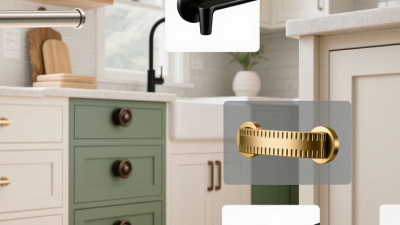
In real projects, I test each profile with wet hands and repeated opening. A beautiful pull can fail quickly. Knurled textures add touch and shadow, yet they may collect dust. Brushed surfaces hide fingerprints better than polished ones, especially on frequently used drawers. Matte black creates contrast, while warm metallic finishes make pale cabinetry feel less clinical. The strongest choices usually respect door thickness, hand clearance, and the room’s existing metal details. Small details matter.

What Are the Top Cabinet Hardware Trends for 2026? - Modern Shapes and Profiles for Cabinet Knobs and Pulls

Trend Typical Shape or Profile Common Materials Popular Finish Direction Best Applications Design Characteristics
Slim Bar Pulls Straight cylindrical or rectangular bars with a narrow projection Stainless steel, brass, aluminum, zinc alloy Brushed metal, satin black, soft bronze Modern kitchens, utility rooms, tall pantry doors Clean lines, easy gripping, visually consistent across different cabinet sizes
Soft Geometric Knobs Rounded squares, domes, cylinders, and faceted circular forms Solid brass, ceramic, glass, cast metal Polished nickel, aged brass, matte neutrals Shaker-style doors, bathroom vanities, compact storage Adds visual interest without sharp or overly ornate detailing
Textured and Fluted Hardware Vertical grooves, knurled surfaces, ribbed cylinders, and linear textures Brass, stainless steel, aluminum, ceramic Antique brass, dark bronze, brushed stainless steel Flat-panel cabinetry, feature islands, statement furniture Creates tactile depth and coordinates with fluted wood or reeded glass
Edge Pulls Slim channels or recessed grips mounted along the cabinet edge Aluminum, stainless steel, brass, zinc alloy Anodized aluminum, brushed brass, blackened metal Minimalist kitchens, contemporary wardrobes, handleless compositions Reduces visual clutter and emphasizes uninterrupted cabinet fronts
Organic and Sculptural Forms Pebble, oval, arched, looped, and asymmetrical silhouettes Wood, ceramic, cast metal, stone, recycled composite Natural wood tones, earthy ceramics, aged metal Warm modern interiors, kitchens with natural materials, accent cabinetry Introduces softer visual movement and a handcrafted appearance
Mixed-Material Combinations Metal bases paired with wood, leather, ceramic, or stone elements Brass, steel, timber, leather, ceramic, natural stone Contrasting matte and polished surfaces Transitional kitchens, custom furniture, open-plan living spaces Balances durability with warmth and provides layered visual contrast
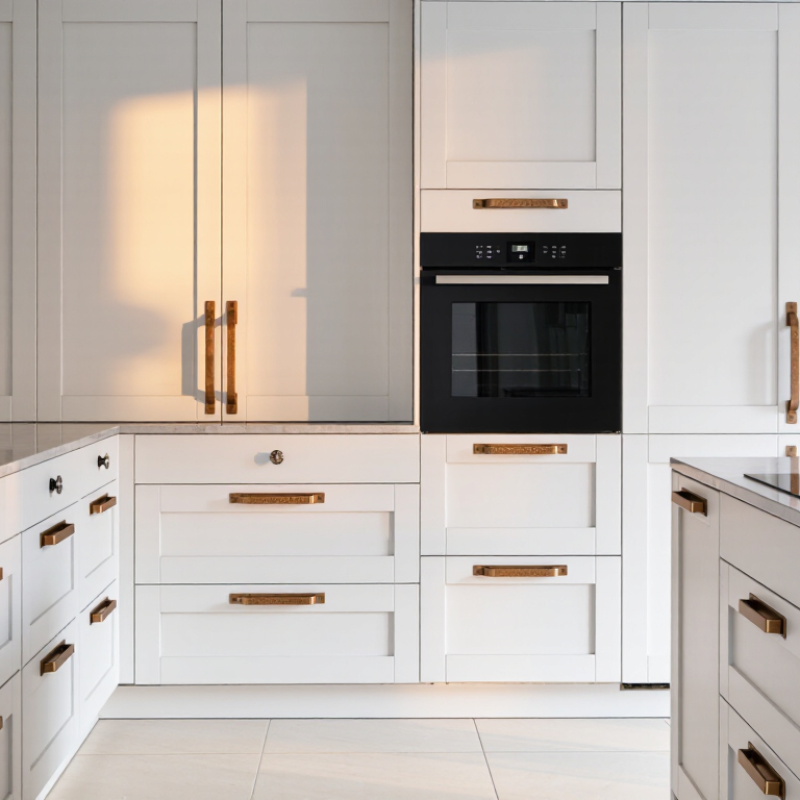
Warm Metal Finishes Used across knobs, pulls, cup pulls, and appliance-style handles Brass, bronze, copper, plated steel Satin brass, champagne bronze, aged bronze, copper tones White, green, blue, wood-tone, and charcoal cabinetry Adds warmth and contrast while complementing natural and painted finishes
Integrated and Low-Profile Pulls Recessed channels, flush pulls, and shallow-profile finger grips Aluminum, stainless steel, brass, engineered polymers Color-matched finishes, matte black, brushed metal Small kitchens, contemporary cabinetry, high-traffic storage areas Supports a streamlined appearance and minimizes protruding hardware
Coordinated Hardware Sets Matching knobs, pulls, appliance handles, and furniture accents Metal alloys, stainless steel, brass, ceramic One primary finish with limited complementary accents Whole-room renovations and visually connected open-plan interiors Creates consistency across cabinet sizes, storage types, and adjacent fixtures

Smart and Functional Hardware Features for Contemporary Kitchens

What Are the Top Cabinet Hardware Trends for 2026?

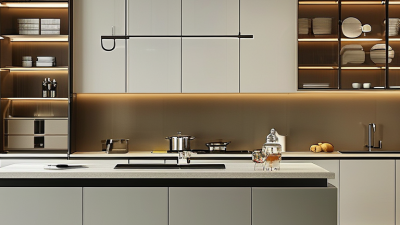
Smart cabinet hardware is moving beyond appearance. In contemporary kitchens, touch-latch drawers, sensor lighting, and quiet soft-close systems improve daily routines. A drawer can open with a gentle press when your hands are wet. Interior LEDs can reveal small tools in deep cabinets. These features feel useful, not decorative.

During recent kitchen planning projects, designers have focused on grip, reach, and maintenance. Slim pulls with textured surfaces provide better control than perfectly smooth metal. Adjustable hinges help correct uneven doors after installation. Some smart systems also show usage data or alert users when a drawer remains open. Convenient, but not always necessary. More technology can also mean more parts to repair.

Safety and reliability should guide every choice. Hardware near sinks needs moisture-resistant finishes and secure mounting. Motion sensors should respond quickly without opening cabinets accidentally. Families with limited mobility may benefit from powered doors and low-effort pulls. However, controls must remain simple during a power outage. This detail is easy to overlook. A practical kitchen still needs a manual backup, clear cleaning instructions, and replacement components that remain available for years.

Top Cabinet Hardware Trends for 2026

Smart and functional cabinet hardware is expected to focus on convenience, accessibility, energy efficiency, and streamlined contemporary design. The trend relevance scores below are comparative editorial ratings based on documented kitchen-design and smart-home product developments.

Score scale: 0–100. Higher scores indicate stronger relevance to contemporary kitchen planning for 2026.

Sustainable and Durable Choices in Cabinet Hardware Design

What Are the Top Cabinet Hardware Trends for 2026?

Sustainable cabinet hardware is becoming more practical, not merely decorative. In my experience, durable choices begin with the material, not the finish. Recycled stainless steel resists moisture, daily impact, and repeated cleaning. Solid brass can also last for decades when its construction is sound. Lightweight alloys may look attractive, but some bend under heavy drawers. That detail is easy to miss.
Repairable design matters too. Choose handles with standard screw spacing and replaceable fasteners. This prevents an entire cabinet from becoming waste after one damaged part.
A matte, low-maintenance finish can reduce polishing products and water use. Powder-coated surfaces may offer strong protection, but performance depends on proper application. Ask for material details and testing information.

Small choices create measurable differences. Look for packaging with less plastic and suppliers that disclose recycled content. Hardware should feel balanced in the hand, with smooth edges and no rattling. Test a drawer pull before installation. It should remain firm after repeated use.

I once selected attractive knobs with fragile threads, and several loosened within months. The mistake changed my buying process. Now, I check screw strength, coating quality, and moisture resistance before appearance.

Sustainable design is not always perfect. Some recycled materials require energy-intensive processing, while natural patinas may show fingerprints. Still, honest specifications make better decisions possible.
Slim profiles, muted finishes, and tactile textures are likely to shape 2026 kitchens. Repairable hardware may matter more than short-lived visual trends.

How to Select Cabinet Hardware for Different Interior Styles

In 2026, cabinet hardware is moving toward tactile shapes, mixed finishes, and quieter visual details. Yet the best choice still depends on your interior style, cabinet proportions, and daily habits. For a modern kitchen, slim bar pulls in brushed metal create a clean, practical line. Warm bronze or aged brass can soften a minimalist room without making it feel decorative. Traditional interiors often suit cup pulls, round knobs, or gently curved handles with visible texture.

Tips: Collect physical samples before ordering. Place them beside your cabinet doors, flooring, and worktop at different times of day. A finish may look perfect online but appear too yellow under warm lighting. Measure the door width, drilling distance, and handle clearance carefully. Small errors become annoying when used dozens of times daily. Keep frequently used drawers easy to grip, especially near ovens and sinks.

For farmhouse or transitional spaces, combine simple knobs with medium-length pulls. This creates rhythm without making every cabinet look identical. In compact rooms, smaller hardware can protect the visual balance. Large pulls may feel impressive, but they can overpower narrow doors. I have found that comfort often matters more than a perfect photograph. Some textured finishes also collect dust faster than expected. Test one piece for a week before committing to the full installation. A thoughtful mismatch can work, but an unplanned one usually looks accidental.