Top 10 Kitchen Pantry Shelving Ideas to Maximize Space

A crowded pantry can turn a simple dinner into a frustrating search for one missing ingredient. Cans hide behind cereal boxes. Spice jars lose their labels. Shelves often waste valuable vertical space.

This guide, “Top 10 Kitchen Pantry Shelving Ideas to Maximize Space,” explores practical ways to improve that problem. Professional organizer Julie Morgenstern offers a useful principle: “Organizing is not about getting rid of everything you own… It’s about living the way you want to live.” Her advice applies directly to Kitchen Pantry Shelving. The goal is not a showroom pantry. It is a space that supports real routines, busy mornings, and occasional shopping mistakes.

Expect ideas involving adjustable shelves, pull-out drawers, corner storage, door racks, and clear containers. Each option can make ingredients easier to see and reach. A narrow riser may separate soup cans. A shallow bin may stop snack packets from collapsing. Small changes matter.

Measure first.

Still, no shelving system solves every problem. Deep shelves can improve capacity, yet they may hide older food. Uniform containers look attractive, but transferring every ingredient takes time. That trade-off deserves attention. A useful pantry must balance appearance, access, durability, and budget.

The best design reflects how the household actually cooks. If rice, pasta, and canned tomatoes are used weekly, they should stay within comfortable reach. If children prepare snacks, low shelves may work better. These expert-informed ideas provide a strong starting point, but thoughtful adjustment remains essential.
Top 10 Kitchen Pantry Shelving Ideas to Maximize Space

Assess Pantry Space, Storage Needs, and Shelving Goals

Before choosing among kitchen pantry shelving ideas, assess the space like a small storage project. Measure the width, depth, height, door swing, and distance from nearby counters. Measure twice. Record pipes, outlets, baseboards, and uneven walls because they can limit shelf depth. A deep shelf may look efficient, yet it can hide cans behind cereal boxes. Leave enough clearance for your hand and for labels to remain visible. That gap matters. I once planned shelves too tightly and had to remove a support after installation.

Next, identify your actual storage needs. Count everyday staples, backup supplies, cookware, and awkward items such as tall bottles. Group items by use, not only by size. Keep heavy jars low, frequently used ingredients between waist and eye level, and occasional items higher. A narrow shelf may suit spices, while a wider platform can hold bins or small appliances. Note expiration dates during this review. It exposes duplicate purchases and unused foods.

Set shelving goals that match your routine. You may want maximum capacity, faster cooking access, easier cleaning, or safer storage for children. Adjustable shelves offer flexibility when package sizes change. Ventilated surfaces can help reduce trapped moisture, but they may not suit small loose packets. Consider edge lips for rolling cans and smooth, wipeable finishes for spills. My first layout favored appearance over access, which was a poor choice. Recheck the plan with a full grocery bag in hand. If the shelf cannot handle that weight comfortably, the design needs revision.

Top 10 Kitchen Pantry Shelving Ideas to Maximize Space

Assess pantry space, storage needs, and shelving goals by matching each storage category with a practical shelf-depth range. The chart uses the midpoint of common planning ranges, measured in inches.

Shallower shelves help keep spices and cans visible, while deeper shelves provide room for appliances, cookware, and bulky paper goods. Adjustable shelving and pull-out baskets can make deeper areas easier to access.

Choose Shelving Styles for Different Pantry Layouts

Top 10 Kitchen Pantry Shelving Ideas to Maximize Space

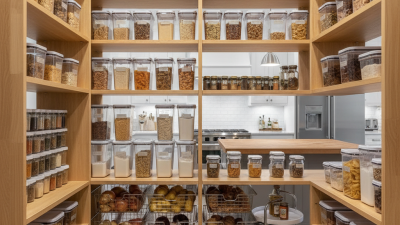
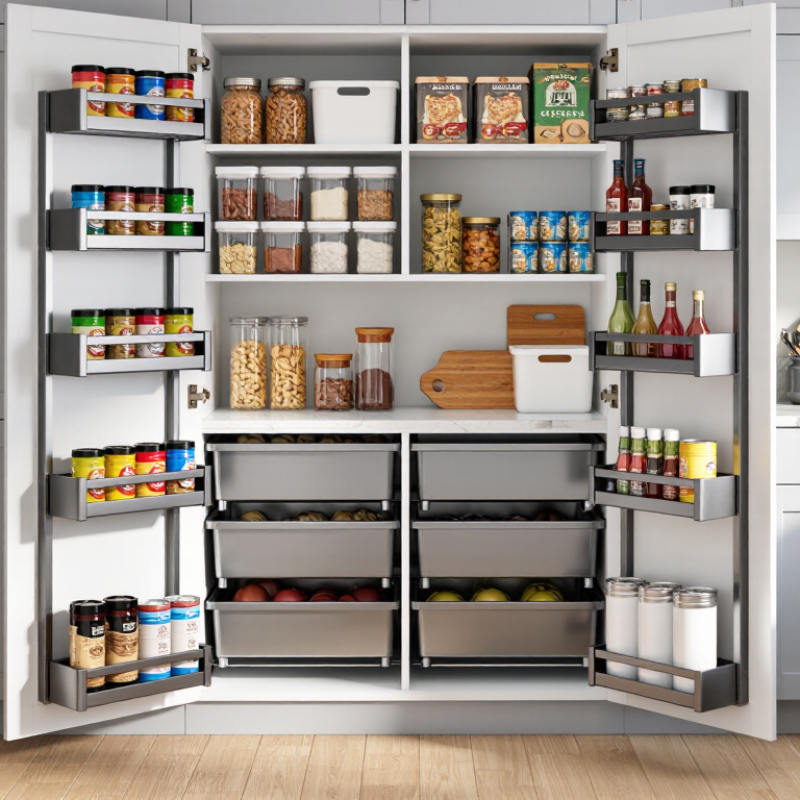
Choose shelving styles that match your pantry’s shape, door swing, and daily routine. In a narrow walk-in pantry, shallow adjustable shelves keep cans visible and reduce forgotten items. Corner shelves can use awkward angles, while floor-to-ceiling shelves store infrequently used appliances above eye level. For a reach-in pantry, pull-out shelves make deep storage easier to inspect. Door-mounted racks suit spices, packets, and small bottles.

Open shelves work well when containers are uniform and frequently used. Drawer-style baskets are better for snacks, onions, and loose packages. A lazy Susan fits corner shelves, although it may waste space around large containers.

Sliding vertical dividers can separate baking trays, cutting boards, and serving platters. Wire shelves improve airflow, but small packages may tip through the gaps. Solid shelves look tidier, yet they can hide spills underneath.

Tips: Measure every wall, including trim and hinges, before choosing a shelving style. Keep daily items between waist and shoulder height. Leave a small gap above cereal boxes and storage bins. Labeling helps, but labels do not replace clear visibility. I once installed deep shelves that looked efficient; they became dark storage tunnels. That mistake changed my preference for shallow shelves and pull-out sections. Use the pantry for real habits, not an idealized kitchen. Adjustability matters when containers change.

Use Adjustable Shelves to Organize Items by Size

Top 10 Kitchen Pantry Shelving Ideas to Maximize Space

Adjustable shelves make pantry storage more practical because food packages rarely share the same height. I keep tall bottles below and shorter cans above them. This simple change removes wasted vertical space. Measure twice. Shelf depth matters too. Deep shelves can hide small jars behind larger containers, making forgotten food more likely. A depth of about 10 to 14 inches often keeps items visible and reachable.

Use sturdy shelf pins and check the manufacturer’s weight guidance before loading shelves. Heavy cookware belongs on lower levels, while lightweight packets can stay higher. I prefer moving shelves seasonally, especially when baking supplies replace summer ingredients.

Clear bins can group snacks, grains, or cleaning cloths. Label the front edge, not the container lid. This saves time when shelves are crowded.

Leave a small gap between each category. Air can circulate, and spilled flour is easier to clean. I once placed a narrow shelf too close to a tall container, which made removal awkward. The arrangement looked efficient but worked poorly. Adjustable shelving allows that mistake to be corrected without rebuilding the pantry. Review the layout every few months, since household habits change.

Add Vertical, Corner, Door, and Pull-Out Storage Solutions

Top 10 Kitchen Pantry Shelving Ideas to Maximize Space

Vertical shelving turns unused wall height into practical storage. Adjustable shelves should hold heavy jars below and lighter boxes above. The 2024 NAHB What Home Buyers Want report lists walk-in pantries among the most desired kitchen features, with 69% of buyers calling them essential or desirable. Even a narrow pantry can support this preference. Leave enough clearance for containers, not just shelves.

Corners often become dead zones. A rotating corner shelf or triangular rack can bring cans forward without wasted reach. Door-mounted racks suit spices, wraps, and small bottles. Keep door storage shallow, or the door may resist closing. Pull-out shelves work especially well beside refrigerators. They expose every item with one smooth movement and reduce forgotten food. Houzz’s 2024 U.S. Kitchen Trends Study reports that 76% of renovating homeowners upgrade cabinets, showing strong demand for better organized storage.

Measure before purchasing hardware. Record shelf depth, door swing, and the space between shelves. A useful layout may still fail when a mixer cannot clear the opening. I would also avoid placing heavy appliances on narrow pull-outs; the mechanism may sag over time. That is an easy mistake. Labeling helps, but labels cannot repair poor visibility. Review the pantry after two weeks, then move shelves based on actual habits rather than an idealized plan.

Improve Accessibility, Labeling, and Long-Term Pantry Efficiency

Top 10 Kitchen Pantry Shelving Ideas to Maximize Space

Improve Accessibility, Labeling, and Long-Term Pantry Efficiency

A useful pantry should reduce searching, bending, and forgotten food. The USDA estimates that 30–40% of the U.S. food supply is wasted. Better visibility can help prevent duplicate purchases and expired items. The 2024 NKBA Design Trends Report also identifies storage and pantry organization as continuing homeowner priorities.

Consider these ten shelving ideas: adjustable shelves, shallow side shelves, pull-out drawers, corner turntables, door racks, clear bins, labeled baskets, shelf risers, vertical dividers, and a dedicated floor zone. Keep daily staples between waist and eye level. Store heavy appliances on stronger, lower shelves. Shallow shelves often work better than deep ones because cans remain visible. Pull-outs improve access, especially in narrow cabinets. However, too many containers can create another problem. They may hide the original package and its expiration date.

Tips: Use large, readable labels with both the food name and purchase date. Group similar items, but leave a small gap between categories. A simple “use first” basket can hold opened packages and short-dated products. Review the pantry monthly. Remove empty containers immediately. Photographing crowded shelves may also reveal wasted space more clearly than memory. Do not chase perfect symmetry. Real households change, and a system that ignores busy weeks will probably fail. Keep one adjustable shelf available for taller jars, seasonal ingredients, or an unexpectedly large package.