10 Closet Lighting Ideas and Tips for Any Closet
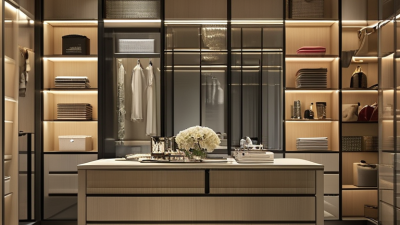
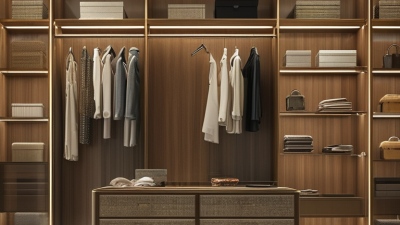
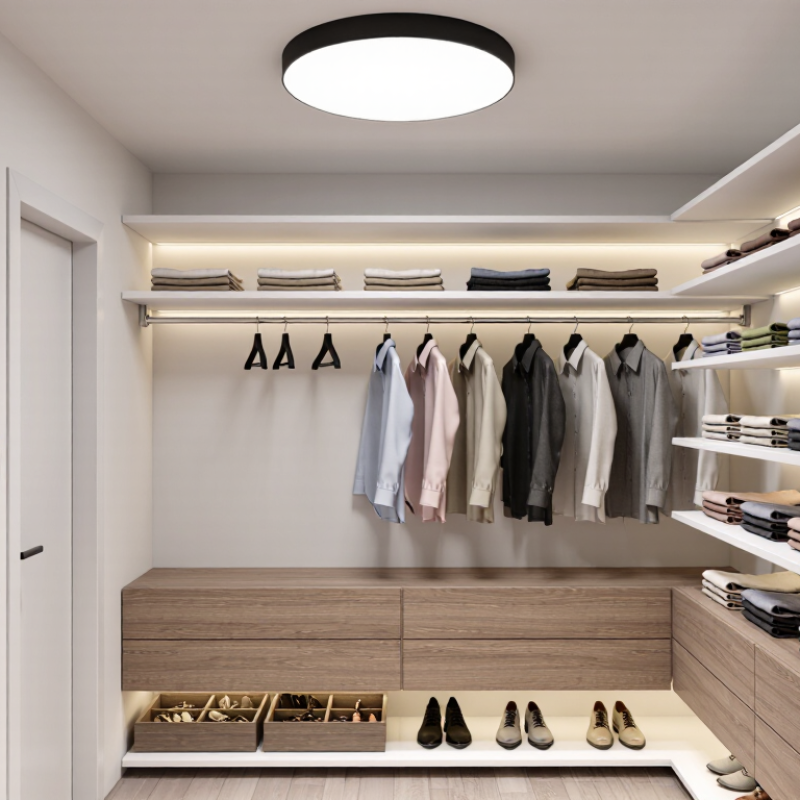
A well-lit closet does more than reveal clothing. It helps you match colors, find accessories, and move safely around narrow shelves. These Closet Lighting Ideas explore practical ways to improve visibility without making the space feel harsh or overdesigned. You will find options for walk-in closets, reach-in wardrobes, drawers, and awkward corners.
Lighting designer Randall Whitehead is often credited with saying, “Lighting is the jewelry of architecture.” His observation fits closets surprisingly well. A slim LED strip under a shelf can highlight folded shirts, while a ceiling fixture can provide broad, even illumination. Motion sensors add convenience when your hands are full. Warm-neutral bulbs, around 3000K to 4000K, usually make fabrics appear comfortable and reasonably accurate. High color-rendering LEDs are even better for distinguishing navy from black.
Small details matter.
Avoid placing one bright bulb directly above your head. It can create shadows across shelves and your face. Instead, combine ambient, task, and accent lighting where possible. Keep fixtures away from hanging clothes, and follow the manufacturer’s installation and heat-clearance instructions. Battery-powered lights may seem easy, but they can dim unexpectedly and require frequent replacement.
Not every idea will suit every closet. A compact wardrobe may need only one carefully positioned fixture. A large dressing room may need several circuits and controls. I have noticed that many attractive plans ignore maintenance. Dust, dead batteries, and blocked sensors can quietly ruin good lighting. Think about daily use, not only the first photograph.
Assess Your Closet’s Layout, Size, and Lighting Needs
10 Closet Lighting Ideas and Tips for Any Closet
Assess your closet’s layout, size, and daily lighting needs before choosing fixtures. A narrow reach-in closet usually needs even overhead light, while a walk-in closet benefits from layered illumination. Measure the ceiling height, shelf depth, hanging zones, and walking path. Dark corners often reveal where additional lighting matters most.
I once installed a bright ceiling fixture in a small closet, but it left clothing shadows beneath the shelves. A slim light under each shelf would have worked better. Consider ceiling lights, wall fixtures, illuminated hanging rods, shelf lighting, and drawer lights. Motion sensors can help when your hands are full. Dimmers are useful when you need soft light at night. Keep controls near the entrance.
Light color also affects how clothing appears. A neutral white tone usually shows fabric colors more accurately than a very warm bulb. Test the light beside a mirror and inspect black, navy, and white garments. They can look surprisingly different. For larger closets, separate the lighting by zones, such as shoes, folded clothing, and dressing areas. Avoid placing bright fixtures directly behind your head. They may create shadows across the mirror. If wiring is required, use a qualified electrician and follow local safety rules. Recheck your plan after installation; real closets often expose problems that measurements miss.
10 Closet Lighting Ideas and Tips: Assess Your Closet’s Layout, Size, and Lighting Needs
Use higher illuminance for detailed tasks such as choosing colors or using a mirror. Shelves and hanging areas generally need balanced task lighting, while the closet floor can use a lower level. These planning targets are expressed in lux, where 1 lux equals 1 lumen per square meter.
Choose the Right Light Sources for Different Closet Areas
A well-lit closet needs more than one bright bulb. Match each light source to the area you use. A flush ceiling fixture can provide soft general lighting, while recessed lights spread illumination across hanging clothes. Choose an LED lamp with a high color-rendering rating. Colors should look accurate, not gray or yellow. A neutral white tone usually works well for daily dressing.
Shelves need focused light. Slim strip lights beneath each shelf can reveal folded shirts and accessories without creating harsh shadows. Vertical lights near tall storage improve visibility from top to bottom. Drawers benefit from compact, low-heat lights, especially when dark socks disappear inside. Motion sensors are convenient in narrow spaces. However, test their range before installation. A sensor that switches off too quickly becomes irritating.
Place brighter lighting near a mirror, but avoid aiming it directly at your face. Side lighting is often more flattering and reduces shadows around the eyes. For a walk-in closet, combine ceiling, shelf, and mirror lighting instead of relying on one source. Keep fixtures away from clothing, and follow local electrical requirements for installation. I once chose a very cool light for a small closet; it looked clean, but clothing colors felt uncomfortable. I would choose a softer tone now. Good lighting is practical, yet personal preference still matters.
10 Closet Lighting Ideas and Tips for Any Closet - Choose the Right Light Sources for Different Closet Areas
| No. |
Closet Area |
Lighting Idea |
Recommended Light Source |
Color Temperature |
Target Illuminance |
Control and Placement Tip |
| 1 |
Ceiling |
Install a flush or surface-mounted central fixture for general illumination. |
Diffused LED ceiling light |
3000–3500 K |
100–200 lux |
Center the fixture where possible and use a diffuser to reduce glare and harsh shadows. |
| 2 |
Hanging rail |
Place a linear light above or behind the clothing rail to illuminate garments from top to bottom. |
Linear LED strip in an aluminum channel |
3000–4000 K |
150–250 lux |
Aim the light toward the wardrobe contents rather than directly into the eyes. |
| 3 |
Shelves |
Add under-shelf lighting so folded items remain visible on lower levels. |
Low-profile LED puck or strip lights |
3000–4000 K |
150–300 lux |
Install lights toward the front edge of shelves to minimize shadows from the shelf above. |
| 4 |
Drawers |
Use compact interior lighting that turns on when a drawer is opened. |
Battery-powered or wired LED drawer light |
2700–3500 K |
100–200 lux |
Choose a low-heat fixture with a door, drawer, or motion sensor to prevent unnecessary operation. |
| 5 |
Shoes and floor area |
Light the bottom section with vertical or toe-kick illumination. |
Recessed LED strip or compact linear LED |
3000–4000 K |
100–200 lux |
Keep the fixture protected from impact and position it to avoid shining directly at eye level. |
| 6 |
Mirror or dressing zone |
Use balanced vertical lighting on both sides of the mirror for more even facial illumination. |
Vertical LED sconces or side-mounted light bars |
3500–4000 K |
200–300 lux |
Select a high color-rendering source, preferably CRI 90 or higher, for more natural clothing colors. |
| 7 |
Walk-in aisle |
Use several small ceiling fixtures instead of relying on one light at the entrance. |
Multiple recessed LED downlights |
3000–3500 K |
100–200 lux |
Space fixtures evenly along the aisle to reduce dark zones between storage sections. |
| 8 |
Corner or deep storage |
Add dedicated side lighting where shelves or hanging clothes block the central fixture. |
Vertical linear LED fixture |
3000–4000 K |
150–250 lux |
Mount the light near the front or side of the cabinet to improve visibility at the back. |
| 9 |
Small reach-in closet |
Use a simple motion-activated fixture for quick, automatic illumination. |
Motion-sensor LED ceiling or wall light |
3000–4000 K |
100–200 lux |
Set an automatic shutoff delay of about 1–5 minutes to balance convenience and energy use. |
| 10 |
Closet entry and door area |
Combine an entry sensor with soft ambient lighting to make the first step into the closet safer. |
Occupancy-sensor LED fixture or wall-mounted light |
2700–3500 K |
100–200 lux |
Use a fixture suitable for the closet location and follow local electrical-code clearance requirements. |
Note: Illuminance values are practical design targets for residential closets. Actual requirements depend on room size, surface reflectance, fixture efficiency, and local electrical codes.
Plan Safe Installation, Wiring, Controls, and Energy Efficiency
10 Closet Lighting Ideas and Tips for Any Closet
Plan Safe Installation, Wiring, Controls, and Energy Efficiency
Good closet lighting starts with safe placement, not decoration. Choose enclosed LED fixtures for narrow spaces, especially where clothing may touch the housing. Keep lights away from shelves, boxes, and hanging garments. Local electrical rules may require specific clearances, junction boxes, and fixture types. Check them before cutting into a wall.
A ceiling fixture can provide broad coverage, while slim lights beneath shelves reduce dark corners. Motion sensors are useful when your hands are full. Door switches work well for small closets, but test their alignment carefully. A manual switch outside the closet offers simple control and easier maintenance. Never leave loose wiring behind drywall. Use approved cable protection and let a qualified electrician handle new circuits or uncertain connections.
Energy savings come from LEDs, short operating times, and sensible controls. Select a warm, clear color temperature so clothing colors look natural. Avoid excessive brightness; glare makes black shelves harder to read. I once assumed one central light would be enough, but folded clothes still hid in the corners. That mistake changed my layout plans. Sometimes, simpler works better. Leave access to drivers, sensors, and connections for future repairs. A neat installation today can become frustrating when one component fails. Check for heat, flicker, and accidental activation after installation. Small tests matter.
Arrange and Maintain Closet Lighting for Everyday Use
Good closet lighting should make daily routines easier, not turn into another task. Arrange lights around how you use the space. Place a bright ceiling fixture near the center, then add focused lighting above shelves or drawers. Keep the beam directed toward clothing, not directly into your eyes. Warm-neutral light usually shows fabric colors clearly without feeling harsh.
I learned this after leaving one corner almost dark. It looked fine at night, but finding navy clothing became frustrating. Motion-activated lighting can help in narrow closets, especially when your hands are full. However, test the sensor before installation. It may switch off while you are standing still. For wired fixtures, use a qualified professional and follow local electrical requirements.
Tips: Wipe light covers every few months. Dust can make a bright fixture look weak. Keep clothes away from bulbs and vents. Replace flickering lights promptly, but check the connection before replacing everything. Battery-powered units need a regular battery check. Labeling seasonal shelves also reduces unnecessary searching. I prefer simple controls, although a wall switch may be less convenient than automatic lighting. Still, automatic systems are not perfect. A manual backup is worth considering.