China Top 10 Vertical Storage Solutions Suppliers?
China’s manufacturing growth has created a strong demand for smarter warehouse space. Vertical Storage Solutions help companies use height, reduce floor congestion, and improve inventory access. In a typical facility, a vertical lift module can turn a crowded aisle into organized storage, with trays moving directly to an operator’s working height.
John Santagate, a recognized supply-chain automation analyst, has stated, “The best automation starts with the process, not the machine.” This principle matters when evaluating China’s leading Vertical Storage Solutions suppliers. A reliable supplier should offer more than equipment. It should understand load capacity, fire safety, retrieval speed, software integration, maintenance, and worker ergonomics. The details are practical. A 12-meter warehouse ceiling, uneven product sizes, or frequent picking errors can change the right solution completely.
This guide examines ten notable Chinese suppliers and compares their technologies, industries served, customization abilities, and service coverage. Some companies specialize in vertical lift modules. Others combine carousels, automated storage systems, warehouse software, and robotic handling. The ranking is useful, but not absolute. Pricing, local support, installation quality, and after-sales response may alter the final decision.
There is no perfect supplier.
Buyers should request verified specifications, factory references, safety documentation, and realistic delivery schedules. A polished demonstration can hide difficult maintenance conditions. Careful comparison remains essential. This introduction provides a practical starting point for identifying suppliers that can deliver measurable space savings, dependable operation, and a safer warehouse environment.
What Are Vertical Storage Solutions and Why Do Businesses Use Them?
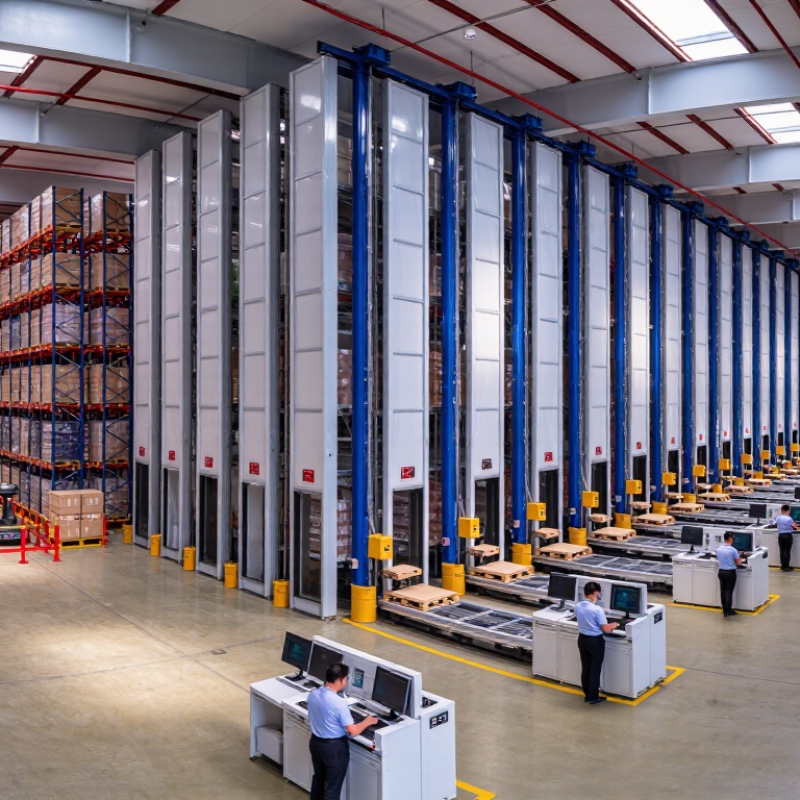
Vertical storage solutions use height instead of spreading inventory across the floor. They include automated lifts, vertical carousels, and tall modular cabinets. A warehouse worker may store small components in trays several meters above ground. The system brings each tray to an ergonomic access point. This reduces ladder use and unnecessary walking.
Businesses choose these systems when floor space is expensive or limited. A compact installation can add storage capacity without expanding the building. It can also organize parts by size, frequency, or production line. In practice, workers often retrieve fast-moving items from waist-height locations. Slow-moving stock can stay higher. Barcode scanning, access controls, and inventory software can improve traceability. These details matter during audits and cycle counts.
The benefits are not automatic. Poor measurements can leave awkward gaps, while slow retrieval software can frustrate experienced staff. A vertical system also needs maintenance routines, safe loading limits, and trained operators. Humidity, dust, and power interruptions deserve attention before installation. Many projects focus heavily on capacity and overlook replenishment routes. That mistake can create congestion near the access opening. A careful site survey, realistic usage test, and honest review of worker feedback make the solution more dependable.
| No. | Common Supplier Solution Profile | Typical Storage Format | Typical Equipment Height | Typical Load Capacity | Typical Throughput | Space-Saving Potential | Typical Applications | Main Business Benefits |
|---|---|---|---|---|---|---|---|---|
| 1 | Vertical Lift Module Supplier | Trays or carriers stored in a vertical cabinet with an automated extractor | 3–18 m | 100–1,000 kg per tray | 20–80 retrieval cycles per hour | Up to approximately 85% floor-area reduction compared with shelving | Spare partsToolsElectronics | Secure access, ergonomic picking, high-density vertical storage, and reduced walking distance |
| 2 | Vertical Carousel Supplier | Continuous loop of horizontal shelves or carriers | 2–10 m | 100–500 kg per carrier | 30–120 picks per hour | Often reduces required floor space by 60–75% | GarmentsSmall partsPharmaceutical items | Fast operator access, improved inventory control, and efficient use of ceiling height |
| 3 | Vertical Buffer Module Supplier | High-density trays, totes, or bins arranged in a vertical buffer system | 4–12 m | 50–300 kg per tote or tray | 80–300 order lines per hour, depending on configuration | Approximately 50–75% floor-area reduction | E-commerceOrder consolidationReturns | High storage density, batch picking, order sequencing, and reduced manual handling |
| 4 | Mini-Load Automated Storage and Retrieval Supplier | Automated crane or shuttle handling totes, cartons, or bins | 6–20 m | 50–300 kg per load | Typically 60–300 single or double cycles per hour | Approximately 40–70% better space utilization than manual shelving | Distribution centersRetail inventoryManufacturing | Accurate inventory tracking, high storage density, and integration with warehouse software |
| 5 | Pallet AS/RS Supplier | Automated crane-based storage for full pallets | 10–35 m | 500–1,500 kg per pallet | Approximately 20–80 pallet movements per hour per crane | Can reduce warehouse footprint by about 40–60% | Food and beverageCold storageHeavy manufacturing | High-bay storage, reduced forklift traffic, improved safety, and reliable stock rotation |
| 6 | Shuttle-Based High-Density Storage Supplier | Shuttle carts moving pallets, totes, or cartons through storage lanes | 6–20 m | 500–1,500 kg per load | Approximately 30–150 load movements per hour per shuttle system | Commonly delivers 30–60% higher density than conventional pallet racking | Cold chainFMCGBulk inventory | Deep-lane storage, scalable automation, and efficient use of warehouse volume |
| 7 | Vertical Pallet Lift Supplier | Lift-based pallet transfer between multiple storage levels | 6–30 m | 500–2,000 kg per pallet | Approximately 20–60 pallet movements per hour | Can increase usable storage volume by approximately 30–50% | Multi-level warehousesProduction logisticsPallet staging | Reduced forklift travel, safer vertical movement, and improved access to elevated storage |
| 8 | Automated Vertical Bin Storage Supplier | Robotic or lift-assisted bins stored in compact vertical racks | 3–15 m | 20–150 kg per bin | 60–250 bin presentations per hour | Approximately 50–80% floor-area reduction for small-item storage | HardwareMedical suppliesSmall components | Fast item presentation, barcode-based control, and reduced picking errors |
| 9 | Vertical Coil and Long-Item Storage Supplier | Motorized racks, cradles, or lifts for coils, bars, pipes, and profiles | 4–15 m | 500–5,000 kg per storage position | Approximately 10–40 movements per hour | Usually saves 25–50% of floor space compared with horizontal stacking | Steel processingAluminumConstruction materials | Better material protection, safer handling, traceability, and reduced aisle requirements |
| 10 | Vertical Freezer and Cold-Storage Automation Supplier | Insulated high-bay storage served by cranes, shuttles, or lifts | 8–30 m | 500–1,500 kg per pallet | Approximately 15–60 pallet movements per hour | Often reduces refrigerated floor area by 30–50% | Frozen foodPharmaceuticalsTemperature-controlled logistics | Lower refrigerated building volume, reduced labor exposure, and improved FIFO or FEFO control |
Related Posts
-

Top 10 Vertical Storage Solutions in China for Efficient Space Utilization
-

Top 10 Small Space Storage Ideas for Maximum Organization in China
-

Best Home Office Storage Solutions for Maximizing Space?
-
How to Choose the Best Closet Lighting Ideas?
-
Best Laundry Room Cabinets for Efficient Storage Solutions?
-
10 Best Linen Closet Organization Tips for a Neat Home