
Top 10 Adjustable Shelving Systems for Global Buyers

Adjustable Shelving Systems can look similar in a product photo, yet perform very differently once loaded. A warehouse aisle, retail stockroom, and home workshop each impose different demands. Shelf depth, usable load capacity, adjustment intervals, frame material, and anchoring options all affect the fit. Small details matter.

Industrial designer Dieter Rams said, “Good design is as little design as possible.” That principle is useful here: a strong shelving system should make access and reconfiguration straightforward, without unnecessary complexity. But simplicity alone is not enough. Buyers should check how manufacturers define load ratings, whether capacity changes with shelf spacing, and what assembly tools are required. A label stating “heavy duty” does not replace clear technical specifications.

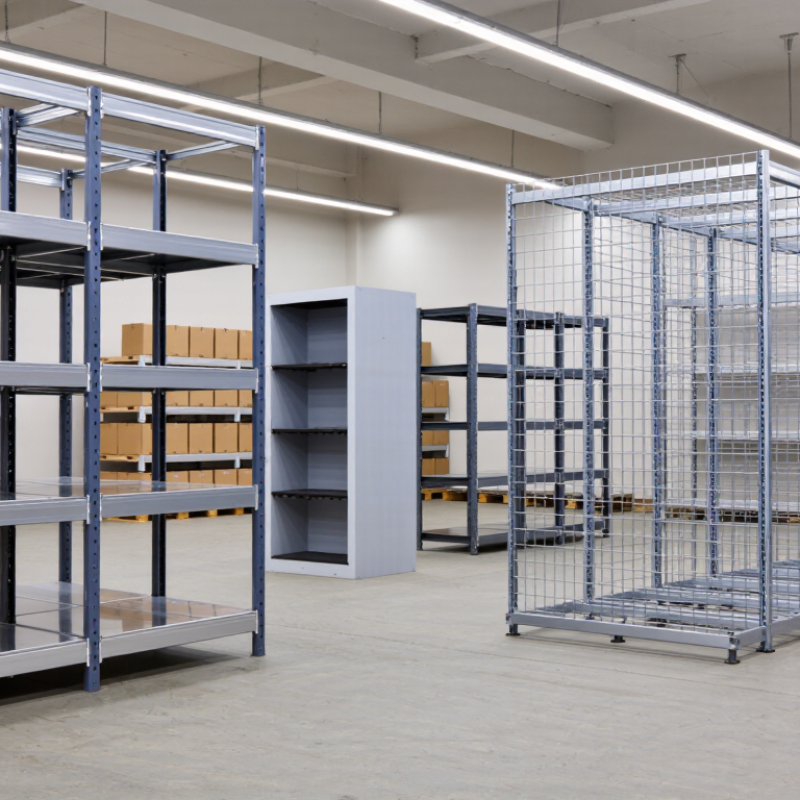
This guide compares ten Adjustable Shelving Systems for global buyers, focusing on practical features rather than promotional language. It considers common applications, construction, adjustability, installation, and the information suppliers provide. A compact steel unit may suit boxed inventory, while a wire shelf can improve visibility and airflow. Neither option is automatically better. Local availability, replacement parts, packaging, and shipping dimensions can also shape the final choice. The comparison cannot account for every site condition; measurements and supplier confirmation still matter. That part is easy to overlook.
Top 10 Adjustable Shelving Systems for Global Buyers

How Adjustable Shelving Systems Work and What Defines Them

Top 10 Adjustable Shelving Systems for Global Buyers

How Adjustable Shelving Systems Work and What Defines Them

Adjustable shelving uses upright frames with regularly spaced slots or holes. Shelf beams, clips, or bolts lock into these points, letting users change shelf height as stock changes. A worker might lower one shelf for small cartons and create extra clearance for taller containers. The key features are adjustment increments, frame stability, shelf material, and rated capacity. Check both per-shelf and total-bay limits; capacity can depend on evenly distributed loads, not one heavy item placed at the center. Details matter.

MHI’s 2024 Annual Industry Report says 55% of surveyed supply-chain leaders planned to increase investment in technology and innovation. The survey does not measure shelving demand, but it reflects changing warehouse priorities. Flexible shelves can support changing product mixes without replacing an entire storage layout. Still, adjustability is not automatically a better fit: frequent changes may loosen poorly secured connections, and a system can feel less stable when overloaded or assembled unevenly. That trade-off deserves a real trial.

Tips: Measure the tallest items, including handling clearance, before setting shelf spacing. Confirm load ratings with the supplier, then label limits clearly. After adjustment, check that every clip or bolt is seated and each shelf sits level. Keep heavier stock low. This small habit helps.

Core Components, Materials, and Load-Bearing Design

Adjustable shelving performs best when its components work as a system: uprights, beams, locking clips, braces, and shelf panels. Steel uprights resist bending, while galvanized or powder-coated finishes help limit corrosion in dry indoor environments. Aluminum is lighter, but may deflect more under equivalent loading. Particleboard offers a smooth surface; wire decks improve visibility and airflow. The right choice depends on the stored goods and operating conditions.

Load capacity is not a single number. Check the rated load per shelf and per bay, and distinguish evenly distributed loads from concentrated loads. A heavy carton placed at the center can stress a panel differently from evenly spaced boxes. Anchoring, floor condition, beam connections, and bracing also affect stability. OSHA’s 29 CFR 1910.176(b) requires stored materials to remain stable and secure against sliding or collapse. For material context, worldsteel’s October 2024 Short Range Outlook estimated global steel demand at about 1.75 billion tonnes in 2024; this is market data, not a shelving capacity rating. Small details matter.

Tips: Confirm the manufacturer’s documented capacity before loading. Place heavier items on lower levels, engage every locking clip, and inspect for bent beams or loose connections after relocation. One overlooked issue: capacity labels can be missed during reconfiguration. Keep them visible.

Top 10 Adjustable Shelving Systems for Global Buyers - Core Components, Materials, and Load-Bearing Design

System Type Core Components Common Materials and Finishes Typical Adjustment Method Indicative Load Capacity Load-Bearing Design Common Applications Buyer Considerations
Adjustable pallet racking Upright frames, horizontal beams, beam connectors, base plates, safety locks, and optional row spacers Cold-formed or hot-rolled steel; painted, powder-coated, or galvanized finishes Beam levels reposition along perforated uprights, commonly in increments of about 50–100 mm Often approximately 500–3,000 kg per beam pair; confirm the specified beam and frame ratings Loads are carried by beams and transferred through upright frames to the floor. Beam capacity depends on span, load distribution, and frame configuration. Warehouses, distribution centers, and bulk storage using pallets Check pallet dimensions, forklift clearances, floor capacity, seismic requirements, and local rack-safety regulations.
Long-span shelving Steel uprights, horizontal beams, decking panels, bracing, and locking clips or connectors Powder-coated steel frames and beams; steel, particleboard, or wire decking Beam positions adjust on upright slots or perforations Commonly about 300–800 kg per shelf level, subject to span and decking type Beams support the deck and transfer the uniformly distributed load to the uprights; longer spans generally reduce capacity. Carton storage, workshops, archives, and manual-picking areas Compare clear span, shelf depth, beam deflection limits, and whether the rating applies to a complete level.
Boltless rivet shelving Rivet-lock uprights, horizontal beams, diagonal braces, and shelf panels Painted or powder-coated steel; particleboard, plywood, or steel shelves Beams fit into keyhole-style upright slots and can usually be repositioned without bolts Often about 150–500 kg per shelf level for evenly distributed loads Interlocking beam ends transfer shelf loads into the upright posts; bracing helps resist sway. Stockrooms, garages, maintenance areas, and back-of-house storage Verify assembly instructions, required bracing, shelf-panel compatibility, and the rated load for the chosen bay size.
Clip-in steel shelving Slotted posts, shelf panels, corner clips, and optional cross-braces Steel with painted, powder-coated, or zinc-plated finishes Shelf levels are repositioned by moving clips between post slots Typically around 100–300 kg per shelf level in common commercial configurations Corner clips support each shelf at the posts. Capacity depends on shelf thickness, post strength, and bay dimensions. Retail stockrooms, offices, laboratories, and light industrial storage Confirm that posts, clips, and shelves are designed for the same system; do not assume components from different systems are interchangeable.
Slotted-angle shelving Perforated angle uprights and cross-members, nuts, bolts, and shelf boards or panels Slotted steel angle, commonly painted or galvanized; wood or metal shelf surfaces Members bolt together at selected perforations, allowing flexible shelf positioning Often approximately 50–200 kg per shelf level, depending on member size and construction Bolted angle sections form the frame; joint quality, bracing, and member orientation strongly affect stiffness. Light-duty stores, utility rooms, small workshops, and custom storage layouts Allow for assembly time and check that the angle size, fasteners, and bracing suit the intended load.
Adjustable wire shelving Wire shelves, vertical posts, split sleeves or clips, and leveling feet or casters Chrome-plated or powder-coated steel; stainless steel options for demanding environments Shelves reposition using clips that locate on grooves or marks along the posts Commonly about 150–350 kg per shelf level when stationary and evenly loaded; mobile ratings may be lower Wire decks transfer loads to the corner posts. The rated capacity depends on shelf diameter, post design, and whether the unit is mobile. Food-service storage, healthcare, laboratories, and areas where airflow is useful Choose a finish suited to moisture and cleaning chemicals; check caster ratings and total-system capacity if mobility is required.
Adjustable cantilever racking Upright columns, base arms, adjustable cantilever arms, braces, and optional end stops Structural or rolled steel, generally painted or powder-coated; galvanized options are available Arms attach at selected heights on upright columns Often about 250–1,000 kg per arm, with substantial variation by arm length and design Each arm acts as a projecting support from the upright. The rack must be configured for the load’s weight, length, and center of gravity. Long or bulky goods such as timber, pipe, profiles, and sheet materials Check load distribution, arm length, column spacing, base anchoring, and whether the system is single- or double-sided.
Adjustable mobile shelving Movable carriages, tracks or floor rails, shelving units, wheels, and anti-tip or locking features Steel carriages and shelves; finishes selected for the storage environment Shelf spacing adjusts on the shelving units; carriages move to open an access aisle Frequently about 100–300 kg per shelf level, but carriage and floor limits also apply Loads pass through the shelving frame and carriage to wheels or rails. The complete system must be rated for both shelf and carriage loads. Archives, records rooms, libraries, and compact storage areas Assess floor loading, aisle access, anchoring, anti-tip protection, and emergency access requirements.
Adjustable stainless-steel shelving Stainless posts, shelves, support collars or clips, and adjustable feet or casters Stainless steel, commonly grades selected according to corrosion and cleaning requirements Shelves relocate using post grooves and support clips or collars Often approximately 100–300 kg per shelf level; specifications vary by shelf construction and span Clip-supported shelves transfer loads to posts. Perforated or solid shelf designs may have different capacity and cleaning characteristics. Commercial kitchens, food processing, healthcare, and washdown areas Confirm the stainless grade, weld quality, cleaning-chemical compatibility, and the load rating for the actual shelf size.
Adjustable gravity-flow shelving Uprights, beams, inclined roller tracks or wheel beds, lane dividers, and flow-control components Steel framing with steel or polymer rollers and guides Track height, lane width, and shelf levels can be configured to suit cartons or containers Varies by track and lane design; obtain the rated load per lane and per level from the system specification Inclined tracks use gravity to move goods toward the picking face. Loads concentrate on rollers and track supports rather than a flat shelf deck. Order-picking areas, carton-flow storage, and first-in-first-out stock rotation Test products for stable flow, check carton dimensions and weight range, and specify braking or speed-control features where needed.

Capacity note: The figures above are indicative selection ranges, not universal ratings. Actual safe working loads depend on the product design, shelf or beam span, materials, installation, and load distribution. Confirm the manufacturer’s rating for the exact configuration, observe applicable local standards, and avoid exceeding the stated load limit.

Common Adjustable Shelving Types Across Global Markets

Adjustable shelving varies by market because inventory, building layouts, and handling practices differ. Boltless rivet shelving suits cartons and hand-picked stock; its beam levels can be moved without specialist tools. Longspan systems handle bulky, heavier goods, while wire shelving improves visibility and airflow in clean, dry storage areas. Slotted-angle shelving offers flexible, lightweight configurations, though assembly can be slower. Mobile shelving saves aisle space but needs a stable floor and careful access planning. Details matter. Catalog names are not perfectly consistent across regions, so compare the construction, not just the label.

The 2024 MHI Annual Industry Report found that 55% of surveyed supply-chain leaders planned to increase technology investment. That figure is not a shelving forecast, but it points to growing interest in adaptable storage and connected operations. For buyers, a practical specification should state the load per shelf and per bay, shelf dimensions, finish, and expected handling method. Check concentrated loads as well as evenly distributed cartons. In humid facilities, inspect corrosion protection; in busy picking zones, assess whether uprights obstruct sightlines. A small but costly oversight: assuming every adjustable shelf retains its rated capacity at every spacing. Confirm the supplier’s load tables and installation guidance before comparing prices.

Top 10 Adjustable Shelving Systems for Global Buyers

Common adjustable shelving types and representative storage depths

Depths are representative nominal dimensions in centimeters found in commonly available configurations, not universal standards. Actual sizes vary by market, load requirements, and product configuration; confirm specifications before purchase.

Top 10 Adjustable Shelving Systems: Features and Applications

Adjustable shelving systems earn their place by changing with the stock, not forcing stock to fit. For global buyers, compare load ratings, dimensions, finish, assembly method, and replacement-part availability. A clear specification matters more than a low quoted price.

Boltless steel shelves suit stockrooms and workshops, where bins and cartons change often.
Wire shelving allows airflow and visibility in food-service back rooms and supply closets.
Slotted-angle systems are easy to reconfigure, though they can feel less rigid under uneven loads.
Wall-mounted shelves free floor space for tools or light inventory.
Mobile units help staff move supplies between work areas.
Pallet racking handles bulky warehouse goods and needs careful load planning.
Modular plastic shelves resist moisture in utility rooms.
Glass shelves fit display spaces, but not heavy storage.
Garage systems hold seasonal gear.
Archive shelves keep labeled files accessible.

The application should guide the choice. Measure doorways and aisles, then check whether shelves can be adjusted without unloading the whole unit.

Small details matter. A wire shelf may let dust fall through, which is useful in one room and annoying in another.

Do not assume every adjustable system is quick to assemble; connectors and instructions vary. Even careful plans miss something. Leave room for future stock changes, and verify stated capacities with the supplier before ordering.

How Global Buyers Compare Fit, Safety, Standards, and Cost

Top 10 Adjustable Shelving Systems for Global Buyers

Choosing adjustable shelving starts with the space, not the product photo. Measure ceiling height, aisle width, doorways, and the deepest item you need to store. Leave room for hands and equipment to move safely. A shelf that fits on paper may block a cart in practice. Small detail, big consequence.

Compare load ratings carefully. Check whether capacity applies to each shelf or the whole unit, and whether the figure assumes evenly distributed weight. Boxes stacked in one corner can create a different risk. Ask how uprights should be anchored, especially in busy areas or where floors may be uneven. Instructions matter. So do replacement parts.

Standards and documentation can vary by destination and application. Request test reports, material details, and installation guidance, then confirm they meet the requirements for your market. Don’t treat a certificate as proof that every configuration is suitable. That assumption is easy to make. Cost comparisons should include freight, duties, assembly, maintenance, and future expansion—not just the purchase price. A cheaper system may become expensive if it needs extra bracing or arrives with unclear instructions. Even a careful spreadsheet misses something now and then. Check the actual site before ordering.