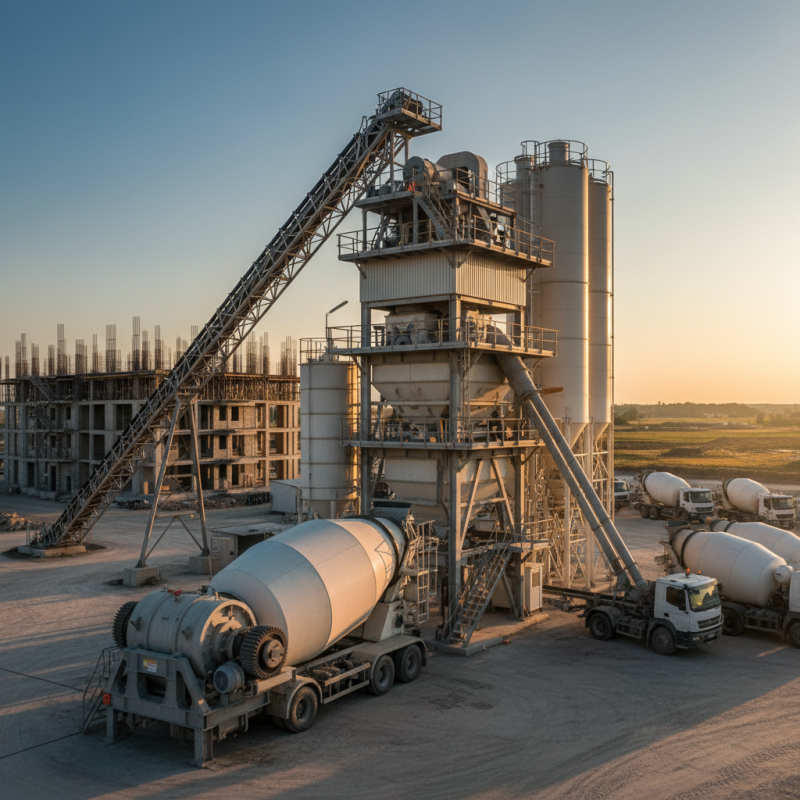
What is Concrete Batching Plants and How do They Work?
Concrete Batching Plants play a vital role in the construction industry. These facilities blend various materials to create uniform concrete mixes. They ensure that the concrete is produced efficiently and consistently.
Understanding how Concrete Batching Plants work requires expertise. They consist of multiple components: mixers, conveyors, and storage units. Each part must function seamlessly to achieve the desired mix. However, not all plants operate the same way, leading to variations in quality.
Let's reflect on the importance of precision in concrete mixing. A slight error in measurement can affect a project’s integrity. Knowing what makes a Concrete Batching Plant successful can help contractors make informed choices. Being aware of these details fosters reliability in construction processes.
What is a Concrete Batching Plant? An Overview of Its Functionality
A concrete batching plant is a facility where concrete is mixed and prepared for construction projects. It combines various ingredients like cement, sand, aggregates, and water in precise ratios. This ensures consistent quality and performance of the concrete produced. According to the Concrete Plant Manufacturers Bureau (CPMB), batching plants can significantly improve the efficiency of construction processes, allowing projects to stay on schedule.
The functionality of a batching plant lies in its ability to automate the mixing process. Modern plants use electronic scales and digital controls to ensure accurate measurements. This technology minimizes human error, which is crucial since even a slight deviation in mix ratios can lead to structural issues. Data from industry reports show that the accuracy of batching can improve material efficiency by up to 15%.
Tips: Ensure regular maintenance of the plant to maintain its operational efficiency. Monitoring materials can prevent delays.
In conclusion, while batching plants enhance productivity, they require skilled operators and regular oversight. Mismanagement, even minor, can lead to significant setbacks. The reliance on technology brings benefits, but it also needs continuous training for staff to handle equipment correctly.
The Different Types of Concrete Batching Plants: A Comparative Analysis
Concrete batching plants are crucial in modern construction. They efficiently mix concrete components to achieve the desired quality and consistency for various projects. Understanding the different types of batching plants can help in selecting the right one for specific needs.
There are primarily two types of concrete batching plants: stationary and mobile. Stationary plants are designed for large-scale projects. They typically have higher production capacity and offer more stability. Mobile plants are ideal for smaller projects or remote locations. Their portability allows for quick setup and easier transport. Each type has its advantages and challenges, making it essential to analyze project requirements before deciding.
Tips: Consider project size and location while choosing a batching plant. Assess the logistical needs, like transportation of raw materials. Maintenance can be tricky, so choose plants known for reliability. Test batches might expose potential issues, ensuring you start with the best concrete mix possible.
Key Components of Concrete Batching Plants and Their Roles Explained
Concrete batching plants play a vital role in the construction industry. These facilities mix concrete in precise proportions. Understanding their key components helps optimize operations.
The concrete mixer is central to batching plants. It blends all materials uniformly. According to industry reports, efficient mixers can enhance production rates by up to 25%. Aggregates, such as sand and gravel, contribute to the concrete's strength. Accurate aggregate feeding systems ensure consistent quality. However, improper calibration can lead to batch inconsistencies, affecting project reliability.
Water and admixtures also impact concrete quality. Using too much or too little water can weaken the final product. Advanced batching plants utilize automated systems to regulate these elements. This automation reduces human error. However, reliance on technology can make troubleshooting difficult. Operators must balance automation with hands-on experience to ensure optimal performance.
What is Concrete Batching Plants and How do They Work? - Key Components of Concrete Batching Plants and Their Roles Explained
| Component | Description | Role |
| Aggregate Bins | Storage units for different types of aggregates like sand, gravel, and crushed stone. | Provide the necessary materials in the proper ratios for concrete mixing. |
| Cement Silo | A large container used to store cement until it is needed in the mixing process. | Ensure a constant supply of cement to maintain the quality of the concrete. |
| Water Weighing System | A system that accurately measures the amount of water needed for each batch. | Controls water content to achieve desired concrete consistency and strength. |
| Mixer | The machine where all ingredients are combined to produce concrete. | Ensures uniform mixing of all components to create high-quality concrete. |
| Control System | The computerized system that manages the batching process. | Automates the measurement and mixing process for precision and efficiency. |
| Discharge Unit | The section where mixed concrete is discharged for transportation. | Facilitates the transfer of concrete to delivery trucks or pouring locations. |
How Concrete Batching Plants Ensure Consistent Quality through Automation
Concrete batching plants play a crucial role in the construction industry. They ensure the precise mixing of concrete ingredients, resulting in consistent quality. Automation is key in achieving this consistency. Automated systems monitor variables such as material weight, moisture content, and mixing time. Data from the National Ready Mixed Concrete Association indicates that automated processes can reduce variability by up to 30%. This reduction leads to stronger, more durable concrete.
However, challenges can arise even in automated systems. Outdated software or sensors may lead to mix inconsistencies. A specific study showed that 15% of batch inconsistencies were linked to equipment failures. Regular inspections and maintenance are essential to prevent such issues. Emphasizing human oversight is also vital, despite relying on automation. Skilled operators can spot deviations that machines might miss.
Ultimately, while automated batching plants enhance quality, they rely on the right technology and trained personnel. The balance between automation and human expertise is delicate. Continuous training for staff is essential to adapt to evolving technology and standards.
Environmental Impact and Sustainability Practices in Concrete Batching Operations
Concrete batching plants play a critical role in the construction industry. These facilities mix various materials to create concrete, essential for building projects. However, their environmental impact raises concerns. Research shows that concrete production contributes to about 8% of global CO2 emissions. This stark reality highlights the need for sustainable practices.
To mitigate environmental damage, batching plants can implement various strategies. Using recycled materials, such as reclaimed aggregates, reduces waste. According to industry reports, incorporating recycled content can decrease natural resource exploitation by nearly 30%. Furthermore, investing in energy-efficient technologies is vital. These advancements can cut energy consumption by up to 30%, leading to more sustainable operations.
Tips: Monitor water usage closely to minimize waste. Consider using alternative fuels to cut down on emissions. Regularly review and upgrade equipment to enhance efficiency. These small changes can lead to significant sustainability boosts in concrete batching operations. Still, the journey toward complete sustainability is ongoing. Many facilities face challenges in adopting these practices fully. It’s essential to continuously evaluate and improve systems for better environmental outcomes.