How to Choose the Best Cosmetic Bed for Your Business
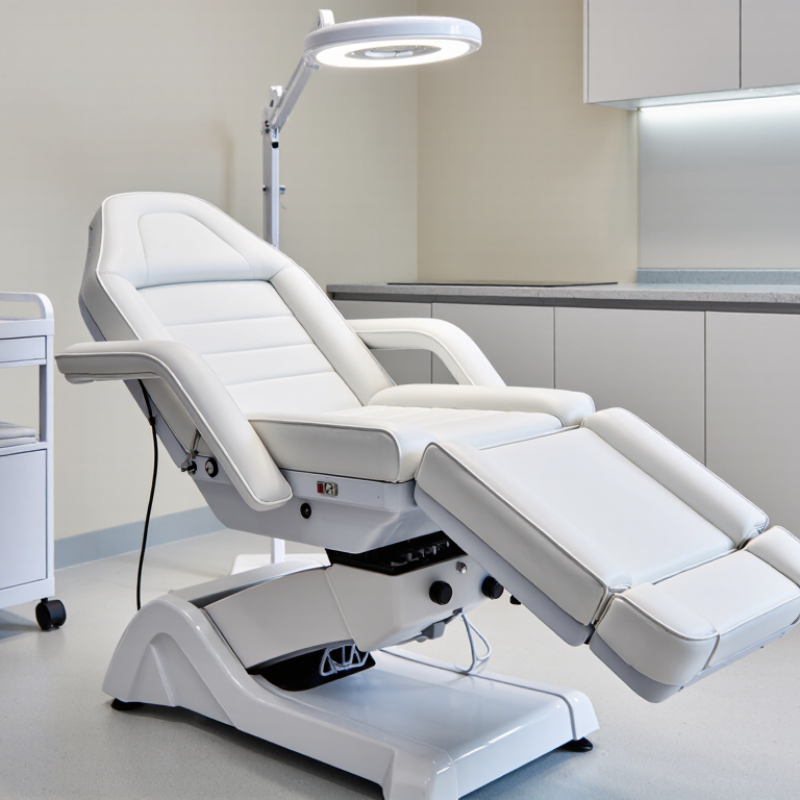
Choosing the right Cosmetic Bed can shape every treatment, from client comfort to staff efficiency. It is not merely a padded platform. It becomes part of your brand, workflow, and daily client experience.
Dr. Anna Fielding, an aesthetics-clinic operations consultant, says, “A treatment bed should support the service, not compete with it.” That principle deserves attention. A softly lit room may look impressive, yet an unstable bed can quickly weaken customer confidence. Small details matter. Check the maximum weight capacity, motor noise, adjustment speed, and upholstery quality. A quiet electric lift feels professional during delicate facial or body treatments. Easy-clean, medical-grade upholstery also helps maintain a consistent hygiene routine.
Measure your treatment room before choosing a model. Leave enough space for movement, storage, and emergency access. Consider whether therapists can work without bending their backs for hours. A heated surface may improve comfort, but excessive warmth could distract some clients. Adjustable leg sections are useful, though complicated controls may slow busy appointments. Sometimes, simpler is better.
Your budget should include delivery, installation, servicing, and possible replacement parts. A low purchase price can become expensive when repairs are frequent. Ask suppliers about warranty coverage and response times. Test the bed personally, if possible. Lie down. Move the controls. Listen carefully.
There is no perfect model for every business. A luxury spa, mobile therapist, and high-volume clinic need different solutions. The best Cosmetic Bed is the one that fits your treatments, space, staff, and clients without forcing compromises you will later regret.
Define Treatment Needs: Facial, Massage, Laser, and Multi-Use Procedures
Choosing a cosmetic bed starts with treatment needs, not upholstery color. Facial treatments require stable back support, smooth height adjustment, and a washable surface. Massage needs wider cushioning, quiet movement, and strong weight distribution. Laser procedures demand precise positioning, easy clinician access, and surfaces that tolerate frequent disinfecting.
A multi-use bed sounds efficient. It may also create compromises. A very soft mattress can support massage, but it may reduce control during detailed facial work. A narrow frame saves space, yet limits comfort for larger clients.
The ISPA 2024 U.S. Spa Industry Study reported approximately $21.3 billion in spa revenue during 2023, showing continued demand for professional treatment environments. Meanwhile, the American Society of Plastic Surgeons reported more than 5.5 million minimally invasive cosmetic procedures in 2023.
These figures support flexible equipment, but safety and workflow should remain the priority. Do not overvalue versatility.
Tips: Test every position with a real treatment setup. Place the trolley beside the bed. Check whether a practitioner can reach the client without twisting. For laser services, confirm that the bed supports stable positioning and follows local electrical and sanitation requirements. Ask suppliers for load ratings, cleaning guidance, warranty terms, and service response times. A glossy finish is not proof of durability. That is an easy mistake. Record the bed’s adjustment noise, pedal response, and recovery time after repeated use. Small details become expensive frustrations.
Compare Adjustability: 3–4 Electric Motors, Height Range, and Positioning
When choosing a cosmetic bed, adjustability should guide the decision more than appearance. A bed with three electric motors usually controls height, backrest, and leg section. This setup suits many facial treatments and routine procedures. Four-motor models often add independent tilt or leg adjustment. That extra movement can improve access during detailed work.
Measure the usable height range carefully. A low minimum height helps clients step onto the bed with less strain. A higher maximum supports practitioners who work while standing. Positioning also affects posture, treatment accuracy, and client comfort.
Check whether adjustments are smooth, quiet, and easy to control. Hand controls or foot switches can help practitioners maintain a clean workflow. Test every movement with weight on the bed, not only when it is empty.
More motors do not always mean better performance. A four-motor bed may require more maintenance and a larger budget. I once focused too much on the number of motors and overlooked the narrow working height range. That was a poor comparison.
Stability matters just as much. Watch for movement, frame flex, or delayed response during repositioning. Ask for load ratings, adjustment-cycle information, and service details before purchasing. If possible, test the bed with a colleague acting as a client. Real use can reveal awkward angles that product specifications miss.
Verify Safety: IEC 60601-1 Compliance and 200–300 kg Load Capacity
How to Choose the Best Cosmetic Bed for Your Business
Demand for aesthetic services is growing. The ISAPS 2023 Global Survey recorded 34.9 million surgical and nonsurgical procedures worldwide. The Global Wellness Institute’s 2024 Monitor valued the wellness economy at $6.3 trillion in 2023. These figures suggest heavier daily use for treatment furniture. A cosmetic bed must support clients safely, not merely look elegant. Check its published working load, preferably between 200 and 300 kg. Include the client, therapist, accessories, and movement.
For electrically powered beds, request current test evidence for IEC 60601-1 compliance. This standard addresses electrical safety, insulation, grounding, leakage current, and mechanical risks. Do not accept a printed symbol without supporting documents. Ask whether testing covered the complete bed, including actuators and hand controls. A stable frame also matters. Raise and lower the bed while checking for rocking, noise, or delayed movement. Small faults become serious during repeated appointments.
Load capacity can be misunderstood. A 300 kg static rating may not equal a 300 kg moving load. Ask about dynamic testing and emergency lowering. Review cleaning resistance, pinch-point protection, and service access. In real clinics, cables collect dust and disinfectant reaches joints. That experience deserves attention. Safety paperwork can still create false confidence. Have an experienced technician inspect one sample before purchase, even when specifications appear complete.
Assess Hygiene: Seamless PU Upholstery and Medical-Grade Disinfection
How to Choose the Best Cosmetic Bed for Your Business
Assess hygiene before comfort, color, or price. A cosmetic bed has frequent contact with oils, makeup, moisture, and disinfectants. Seamless polyurethane upholstery reduces hiding places where residue can collect. Small gaps matter. Check every stitch, corner, hinge, and adjustment point before purchase.
The CDC’s Guideline for Disinfection and Sterilization recommends cleaning surfaces before disinfection and respecting the product’s contact time. That detail is easy to miss during busy appointments. The WHO Global Report on Infection Prevention and Control also identifies environmental cleaning as a practical foundation for safer care. Choose upholstery that tolerates your approved disinfectant repeatedly. “Medical-grade” should not be accepted as a vague sales phrase. Ask for material specifications, chemical-compatibility information, and documented cleaning instructions.
Tips: Select a PU surface with sealed edges and minimal seams. Wipe the bed after every client, including controls and side panels. Keep the surface visibly wet for the stated contact time. Never mix disinfectants. Test a small hidden area first. Inspect for cracking every week and record maintenance. I once focused too heavily on a smooth appearance; durability mattered more. A glossy surface can still fail when harsh chemicals weaken it. Review your cleaning process with staff, because a perfect bed cannot correct inconsistent practice.
Calculate Value: Warranty, Service Life, Energy Use, and Total Cost of Ownership
How to Choose the Best Cosmetic Bed for Your Business
A cosmetic bed is a working asset, not just a piece of furniture. Compare its warranty, expected service life, energy use, and maintenance needs before checking the price tag. NIST Handbook 135 recommends life-cycle costing because purchase price alone can distort investment decisions. A five-year warranty may look attractive, but exclusions, response times, and replacement-part availability matter more during daily operations.
Energy use deserves practical attention. The U.S. Energy Information Administration reported that commercial buildings consumed 6.8 quadrillion British thermal units in 2018, with electricity providing about 56% of total site energy. A powered bed may use modest electricity, yet repeated height adjustments, heating functions, and standby power add up across several rooms. Request wattage, standby consumption, and duty-cycle information. Measure actual use if possible. Estimates can be optimistic.
My early comparison sheets often missed downtime. That was a mistake. A failed actuator can cancel appointments, reduce staff productivity, and damage client confidence. Calculate annual servicing, cleaning-related wear, delivery, installation, and disposal costs. Then divide the total by expected treatment hours, not calendar years alone. ISO 15686-5 also supports this life-cycle approach. A cheaper bed can become expensive quickly. Warranty terms still need careful reading.