When it comes to optimizing space, Adjustable Shelving Systems stand out as a practical solution. According to a report by Grand View Research, the global shelving market is expected to reach USD 45.6 billion by 2027, reflecting a growing demand for versatile storage solutions. This trend emphasizes the importance of selecting the right shelving systems for both residential and commercial needs.
Adjustable shelving provides flexibility, allowing users to rearrange and customize according to specific requirements. This adaptability is crucial in environments where space is limited. Data from the American National Standards Institute (ANSI) indicates that properly organized storage can increase efficiency by up to 30%. However, many still struggle to find the ideal system that fits their unique situations.
Choosing the best Adjustable Shelving Systems requires understanding various factors. Users must consider weight capacity, material, and size. It's also essential to reflect on their specific storage needs. A miscalculated decision may lead to frustration and inefficiency. Thus, careful evaluation is vital to ensure that the chosen system truly enhances functionality and organization.
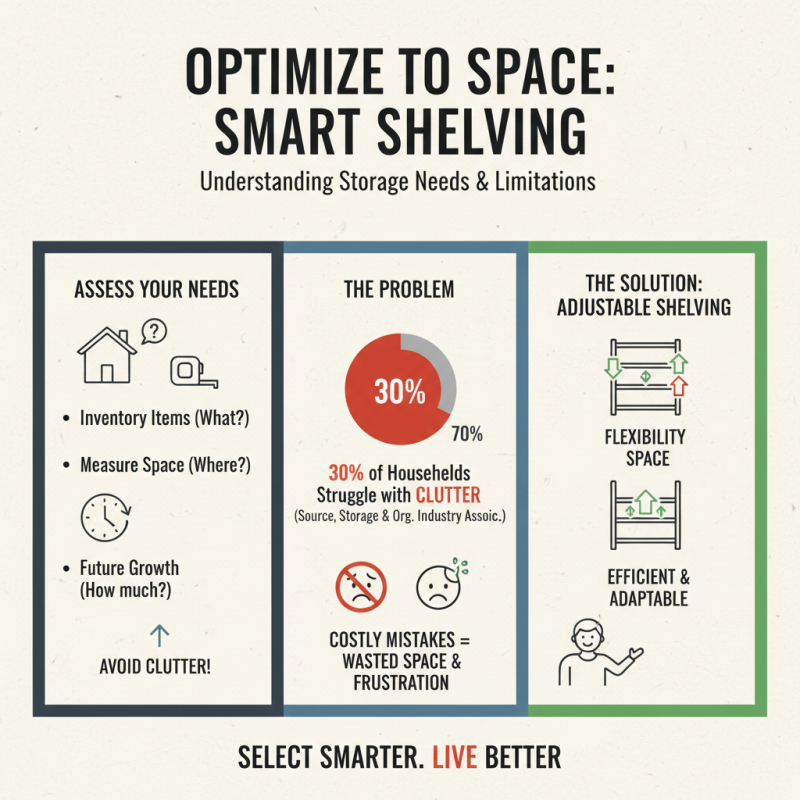
Understanding your storage needs and space limitations is crucial when selecting adjustable shelving systems. Many consumers overlook this aspect, leading to inefficient storage solutions. According to a report from the Storage and Organization Industry Association, nearly 30% of households struggle with clutter due to inadequate shelving options. By assessing your space, you can avoid costly mistakes that lead to wasted space and frustration.
Consider the dimensions of your area. Measure your walls, floor, and ceiling height. This information helps in selecting the right system that fits your unique space effectively. Many adjustable shelving systems allow for customization. You can mix and match components to address specific storage needs, ensuring every inch is utilized efficiently.
Tips: Think about the items you plan to store. Will they be tall, short, or bulky? This influences your shelving height and spacing choices. Lightweight materials may suffice for books, while heavier items require stronger structures. Opt for materials that offer durability and flexibility. It’s not uncommon to realize your first choice may not work as expected, prompting a re-evaluation of your needs.
Finally, don’t hesitate to ask for advice. Engage with professionals who can provide insights tailored to your situation. Having expert input can underscore the importance of thoughtful planning before making a purchase decision.

When considering adjustable shelving systems, it's essential to understand the different types available. Ranging from wire shelving to modular units, each type serves distinct needs. According to the National Retail Federation, wire shelving can hold heavy loads while allowing air circulation. It’s ideal for storage in both commercial and residential settings.
Modular shelving offers flexibility. These systems can be customized to fit any space. They are popular in modern homes, allowing homeowners to redesign layouts easily. Expert reports indicate that about 65% of consumers prefer systems that can adapt to their needs. This versatility is a major selling point.
Tips for choosing the right system include assessing weight capacity and materials. Heavy-duty plastic, wood, and metal each have unique characteristics. Check the finish to avoid rust and wear over time. Additionally, measure your space accurately. Miscalculating dimensions can lead to significant issues. Remember, adjustable shelves should enhance accessibility without compromising stability. Reflect on how often you'll rearrange your items. This ensures you choose a system that grows with your needs.
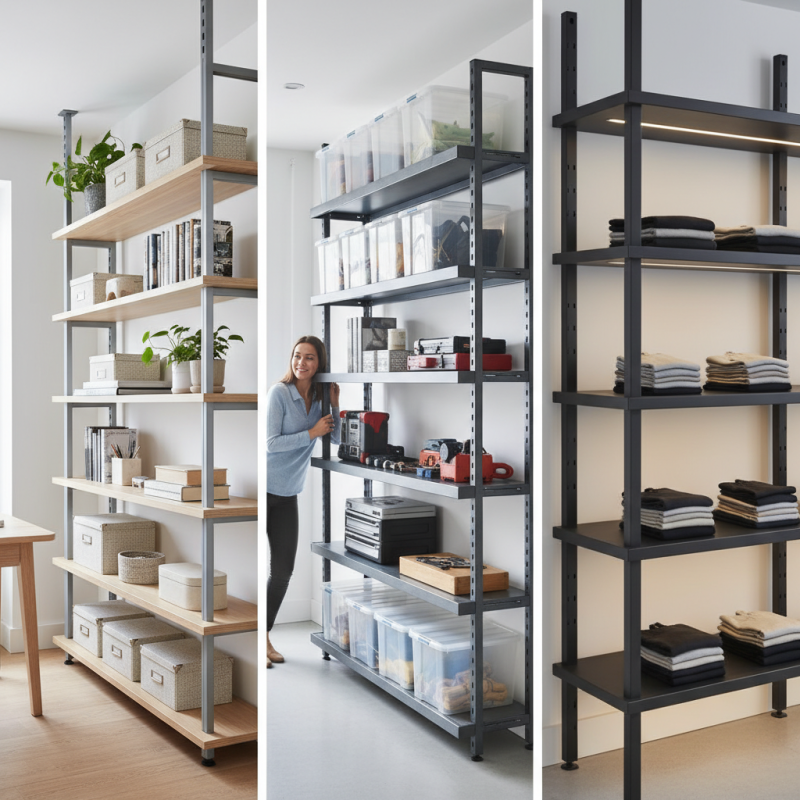
When selecting adjustable shelving systems, consider key features to meet your needs effectively. Begin with the material. Metal shelves offer durability, while wood adds warmth. Think about the weight capacity too. Ensure the shelves can support your heaviest items without bowing.
Next, assess the adjustability of the shelves. Look for systems that allow you to change shelf heights easily. This flexibility is essential for accommodating various items. A design that permits multiple configurations can save space and enhance utility.
Don’t overlook the aesthetic appeal. Shelves should complement your space. Consider colors and finishes that align with your decor style. Finally, reflect on your storage habits. How often will you change items on these shelves? Your answer can influence the best choice for your adjustable shelving system.
| Feature | Description | Considerations |
|---|---|---|
| Adjustability | Ability to modify shelf heights and configurations. | Ensure it can accommodate different items as your needs change. |
| Material | Materials include wood, metal, or plastic. | Choose based on durability, aesthetics, and weight capacity. |
| Weight Capacity | Maximum weight each shelf can hold safely. | Consider the aggregate weight of items stored. |
| Installation Type | Freestanding, wall-mounted, or ceiling-mounted options. | Assess your space and choose the most suitable option. |
| Aesthetics | Available in various designs and colors. | Select a style that complements your decor. |
| Versatility | Can be used for various purposes (e.g., storage, display). | Look for systems that serve multiple functions. |
| Cost | Prices vary based on features and materials. | Set a budget that meets both quality and quantity needs. |
When selecting adjustable shelving systems, material durability and weight capacity are crucial factors. The material should withstand daily use and wear. Steel and wood are popular options. Steel shelves offer strength and stability. They can bear heavier loads, making them ideal for tools or books. Wood provides a warm aesthetic but may not hold as much weight. Consider where you'll place the shelves.
Tips for evaluating material include checking load ratings. Manufacturers usually specify how much weight each shelf can support. Ensure you don't exceed this limit. Overloading can lead to accidents. Regularly inspect shelves for signs of wear. Small cracks or bends may indicate that it's time for a replacement.
Think about the thickness of materials as well. Thicker shelving often supports more weight. However, too thick might look bulky. Balance is important. Look for systems that have adjustable height options. This lets you customize shelf space based on your needs. Always visualize how items will be stored. This helps ensure you choose a system that truly meets your requirements.
When considering adjustable shelving systems, budgeting is crucial. Adjustable shelves can vary widely in price. A basic system might start at $100, while high-end options may exceed $1,500. It’s vital to know your budget upfront. Research shows that a significant portion of consumers, about 40%, tend to overlook the total cost of ownership, which includes installation and potential maintenance fees.
In a recent industry report, 52% of respondents highlighted quality over price when selecting shelving systems. This preference often leads to higher initial costs but can provide long-term savings. Investing in durable materials might justify the price. Furthermore, while shopping, keep in mind hidden costs like delivery fees or assembly charges that can inflate your budget unexpectedly. A well-thought-out plan can help avoid these financial pitfalls.
Adjustable shelving systems are also available in varying materials and configurations, each with distinct cost implications. Metal shelves tend to be more durable but often come at a premium. Wood shelves, on the other hand, can offer aesthetic appeal at a lower price but might require frequent replacements. Balancing your specific needs, such as load capacity and aesthetics, against your budget is essential.