How to Choose the Best Biodegradable Packing Paper for Your Needs?
Choosing the right Biodegradable Packing Paper is essential for both environmental sustainability and practical use. With growing awareness about eco-friendly options, many consumers are looking for alternatives to traditional packing materials. Biodegradable Packing Paper is made from natural fibers that decompose over time. This helps to reduce waste in landfills, making it a greener choice.
When selecting Biodegradable Packing Paper, consider factors like thickness, texture, and size. Different products are suited for various applications. For instance, thicker paper may provide better protection for fragile items. However, it’s crucial to balance durability with the goal of biodegradability. Some options may look good on paper but fall short in performance.
There might be a temptation to choose the cheapest option, but quality matters. Investing in reliable Biodegradable Packing Paper can enhance your shipping experience. It’s worth reflecting on how these choices impact the environment. The right product can support sustainable practices while meeting your packing needs.
Types of Biodegradable Packing Paper Available in the Market
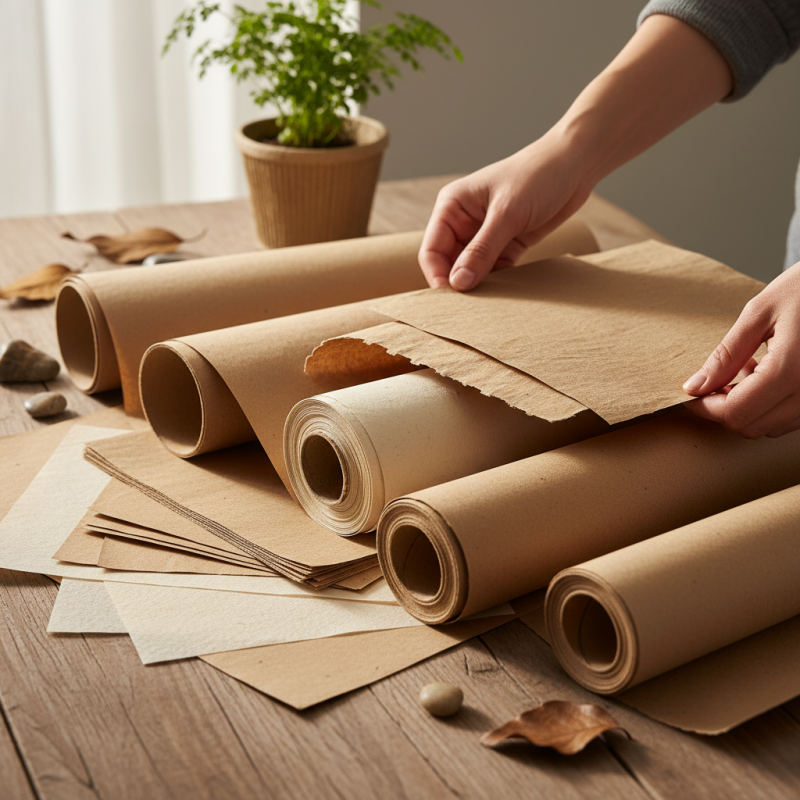
Biodegradable packing paper comes in various types, each suited for different packing needs. Kraft paper is one popular option. It is strong and made from natural fibers. This type of paper breaks down easily in compost conditions. Its natural brown color also adds an eco-friendly touch to packaging.
Another type is recycled paper. This is made from post-consumer waste, reducing the need for new materials. It is often softer and more flexible. However, some recycled papers may lack the strength needed for heavy items. It’s essential to check the specifications to ensure it meets your requirements.
Cornstarch-based packing paper is an innovative alternative. It is lightweight and provides good protection. This option, while effective, may not be as widely available. It raises questions about its durability in heavy shipments. Exploring these options helps find the right biodegradable paper that balances environmental concerns and performance.
Key Factors to Consider When Choosing Biodegradable Packing Paper
Choosing biodegradable packing paper involves several key factors. First, consider the material composition. Look for papers made from sourced sustainable resources. These ensure a lower environmental impact during production. It's essential to understand whether the paper is truly biodegradable or merely marketed as such. Inquire about its decomposition timeline.
Next, think about the weight and durability. Heavier papers can better protect items during shipping. However, they may take longer to break down. Balance is crucial. Look for certifications like FSC or similar, as they indicate responsible sourcing. Additionally, examine how the paper performs in different conditions. Will it hold up in humid climates? Will it tear easily?
Lastly, reflect on your specific needs. Do you require custom sizes or prints? Make sure the supplier can accommodate these requests without compromising eco-friendliness. Remember, every choice impacts the environment. Evaluate your options carefully and stay informed about advancements in biodegradable materials. Not every product is perfect, so continuous learning plays a vital role in making better decisions.
Evaluating the Environmental Impact of Different Packing Papers
Choosing the right biodegradable packing paper is crucial for reducing environmental impact. Different types of packing papers have diverse compositions and degradation rates. Kraft paper, for example, is favored for its renewable origins. The USDA reports that it can decompose within 2 to 5 months in a composting environment. This quick degradation makes it a popular choice among eco-conscious consumers.
However, not all biodegradable papers perform equally. Many commercial packing papers may contain harmful additives. Studies show that papers treated with chemicals can take much longer to break down. These chemicals can also leach into the soil, harming local ecosystems. It’s vital to check certifications such as the Forest Stewardship Council (FSC) to ensure environmental responsibility.
Consider the entire lifecycle of the packing paper. The production process has significant energy and water requirements. According to a 2020 report by the Environmental Paper Network, paper production accounts for approximately 12% of global deforestation. By selecting papers that are sourced sustainably, consumers can mitigate these issues. But this can be confusing, leading many to make uninformed choices. Awareness and education are essential for making the best decisions for our planet.
How to Choose the Best Biodegradable Packing Paper for Your Needs?
| Paper Type | Source Material | Biodegradable | Recyclable | Environmental Impact |
| Kraft Paper | Recycled wood pulp | Yes | Yes | Low impact, sustainably sourced. |
| Molded Pulp | Recycled paper products | Yes | Yes | Biodegrades quickly, minimal waste. |
| Sustainable Paper | Fast-growing trees | Yes | Yes | Less deforestation, carbon neutral. |
| Compostable Paper | Plant fibers | Yes | Yes | Enriches soil, zero waste. |
Cost Comparison: Biodegradable Packing Paper vs. Traditional Options
When considering biodegradable packing paper, cost is a significant factor. Many buyers initially assume that eco-friendly options will always be more expensive. However, this is not always the case. Pricing can vary widely based on material, thickness, and sourcing methods. By comparing multiple suppliers, you can often find competitive rates.
Traditional packing materials, like plastic, may seem cheaper upfront. However, the hidden environmental costs could outweigh initial savings. For example, traditional materials often lead to higher disposal costs and environmental cleanup expenses. In contrast, biodegradable options may cost a little more but support sustainability and reduce long-term waste impact.
It’s essential to think critically about what you’re purchasing. Some biodegradable papers claim to be "green" but are only partially compostable. Make sure to check certifications or seek transparent sourcing. An informed choice leads to a better understanding of true costs, both financially and environmentally. This awareness can inspire a more thoughtful purchasing decision.
Best Practices for Sourcing and Using Biodegradable Packing Paper
When sourcing biodegradable packing paper, consider the material source. Look for papers made from recycled fibers or sustainably sourced wood pulp. Certification labels can help verify environmental claims. These practices ensure that your choice is truly eco-friendly.
Using biodegradable packing paper effectively involves understanding its limitations. Not all biodegradable papers break down at the same rate. Some may require specific conditions to decompose, such as high humidity or temperature. Be mindful of how long you plan to store your items. If your products need long-term packing, consider alternatives or combine different materials.
Experiment with different types of biodegradable packing paper. Test their durability in various conditions. This process will help you find the best option for your specific needs. Being aware of the quality differences in biodegradable options can lead to better decisions, but some trial and error is often necessary.
Best Practices for Sourcing and Using Biodegradable Packing Paper