Why Choose Hot Rolled Steel Coil for Your Manufacturing Needs?
In the competitive landscape of manufacturing, choosing the right materials is crucial. According to industry expert Dr. Emily Liu, a respected figure in materials science, “Hot Rolled Steel Coil is vital for efficiency and durability.” This statement underlines the importance of this material in various applications.
Hot Rolled Steel Coil offers benefits that cannot be overlooked. Its workability, strength, and cost-effectiveness make it a preferred choice. Industries ranging from automotive to construction rely on it for structural integrity. However, it is essential to consider the variations in quality. Not all hot rolled coils are created equal. Manufacturers must ensure they source from reputable suppliers.
While Hot Rolled Steel Coil is advantageous, there are also potential drawbacks. Its surface finish, for instance, may not always meet aesthetic standards. Additionally, the properties can vary based on the production methods used. Evaluating these factors is necessary for informed decision-making. Businesses must weigh the benefits against any limitations to ensure they meet their manufacturing needs effectively.
Benefits of Hot Rolled Steel Coil in Manufacturing Processes
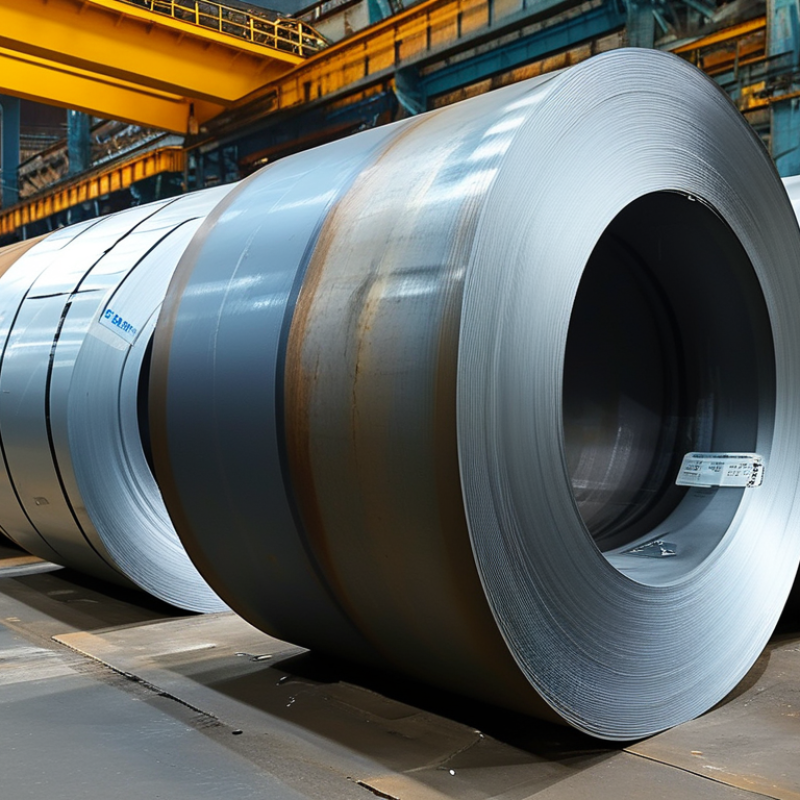
Hot rolled steel coils (HRSC) are essential in various manufacturing sectors. Their unique properties make them a popular choice. HRSC undergoes a process that involves heating steel above its recrystallization temperature. This results in a softer, more malleable product. According to a report by the World Steel Association, hot rolled steel accounts for nearly 70% of total steel production globally.
One key advantage of HRSC is its cost-effectiveness. The manufacturing process is simpler than that of cold-rolled steels. This simplicity leads to lower production costs. Additionally, HRSC has better workability and can be easily shaped into different forms. A study from the American Institute of Steel Construction highlights that manufacturers prefer HRSC for its high strength-to-weight ratio.
However, there are challenges to consider. The surface finish of hot rolled steel is typically rough and may require additional finishing processes. This can add to overall production time. Furthermore, HRSC can experience greater dimensional tolerances. Engineers need to account for this variability when designing parts. Despite these drawbacks, the benefits of hot rolled steel coils often outweigh the challenges in many manufacturing applications.
Why Choose Hot Rolled Steel Coil for Your Manufacturing Needs? - Benefits of Hot Rolled Steel Coil in Manufacturing Processes
| Benefit | Description | Applications | Cost Efficiency |
| High Ductility | Hot rolled steel is flexible and can be easily shaped and formed. | Metal fabrication, automotive parts. | Reduction in material waste during shaping processes. |
| Cost-Effective Production | Lower production costs compared to cold-rolled steel. | Construction, shipbuilding. | Lower capital requirement for manufacturing processes. |
| Improved Mechanical Properties | Enhanced strength and toughness through rolling. | Structural beams, heavy machinery. | Longer lifespan of final products. |
| Thickness Range | Available in various thicknesses for different needs. | Metal sheets, coils in different industries. | Versatile use across multiple applications. |
| Rapid Production Rates | Faster processing times due to the rolling method. | Mass production of components. | Enhanced efficiency in production lines. |
Comparison of Hot Rolled vs. Cold Rolled Steel: Key Differences
Hot rolled steel and cold rolled steel serve different manufacturing purposes. Hot rolled steel is produced by rolling the steel at high temperatures. This process creates a product that is generally more malleable and easier to work with. It is ideal for projects requiring precise shapes and sizes. According to the American Iron and Steel Institute, hot rolled steel is often used for structural components.
In contrast, cold rolled steel is processed at room temperature. This method produces steel with improved dimensional tolerances and surface finish. However, it also leads to increased hardness, which can complicate certain manufacturing processes. Research shows cold rolled steel offers tighter tolerances, making it suitable for applications in automotive and aerospace industries.
Despite their distinct characteristics, each type of steel has its own limitations. Hot rolled steel may not achieve the same surface quality as cold rolled, leading to potential issues in aesthetic applications. The choice between these two types hinges on specific project demands. Manufacturers must weigh these differences carefully to ensure optimal material selection for their needs.
Industry Applications for Hot Rolled Steel: Case Studies and Data
Hot rolled steel coils are widely used across various industries due to their versatility and strength. In construction, hot rolled steel is the backbone for structural components, such as beams and columns. According to industry reports, approximately 70% of the steel used in construction is hot rolled steel. This material offers excellent tensile strength and is cost-effective, making it a preferred choice for builders.
In automotive manufacturing, hot rolled steel coils play a crucial role. They are utilized in producing chassis and body parts, requiring high durability and precision. A recent study revealed that vehicles made with hot rolled steel demonstrate up to 20% higher resistance to impacts compared to those made with other steel grades. This is vital for safety and performance in the automotive sector.
Despite the advantages, there are complexities to consider. Hot rolled steel can be prone to defects, such as warping, during the cooling process. Manufacturers need to monitor temperature fluctuations closely. A report from a respected industry analysis firm noted that 15% of production defects in hot rolled steel could be attributed to improper cooling techniques. Addressing these issues requires a detailed understanding of metallurgical processes.
Cost Efficiency of Hot Rolled Steel Coil in Large-Scale Production
Hot rolled steel coil is a preferred choice for many manufacturers. Its cost efficiency plays a significant role in large-scale production. According to the World Steel Association, hot rolled steel is generally less expensive than cold rolled alternatives due to its simpler production process. This cost advantage allows manufacturers to save on raw materials and operational expenses.
In large-scale operations, using hot rolled steel can lead to substantial savings. The ability to produce thicker and wider coils also means reduced wastage. Research indicates that using hot rolled steel can minimize labor costs. It requires less processing time compared to other methods. Reports show that up to 30% of production costs can be saved when utilizing hot rolled steel in certain applications.
However, there are considerations. Hot rolled steel may not provide the same level of finish as cold rolled options. Some manufacturers report challenges in achieving precise dimensions and surface quality. These factors can influence decision-making in industries requiring tight tolerances. While hot rolled steel offers clear cost benefits, the need for careful selection based on specific manufacturing requirements remains essential.
Mechanical Properties and Performance of Hot Rolled Steel Coil
Hot rolled steel coil is a valuable material in many manufacturing processes. Its mechanical properties make it a popular choice. This steel type exhibits good ductility and workability. These characteristics allow for easy manipulation during fabrication. The controlled heating and rolling processes enhance its strength and flexibility while maintaining lower production costs.
However, there are some considerations. Hot rolled steel may have a rough surface finish. This can affect aesthetics for visible applications. In addition, dimensional tolerances are not as tight as cold rolled steel. Manufacturers must assess if these traits are acceptable for their specific needs. Despite these drawbacks, hot rolled steel is often favored for structural applications. It's reliable in producing beams, plates, and other components.
In terms of performance, hot rolled steel coils perform well under stress. They can withstand significant loads and heavy machinery operations. This makes them suitable for construction and automotive industries. Nevertheless, the risk of residual stresses remains. This aspect can impact the final product. Understanding these properties is key to ensuring optimal use in various applications.